Barcelona
Gaudí's playground, right on the Mediterranean coast.
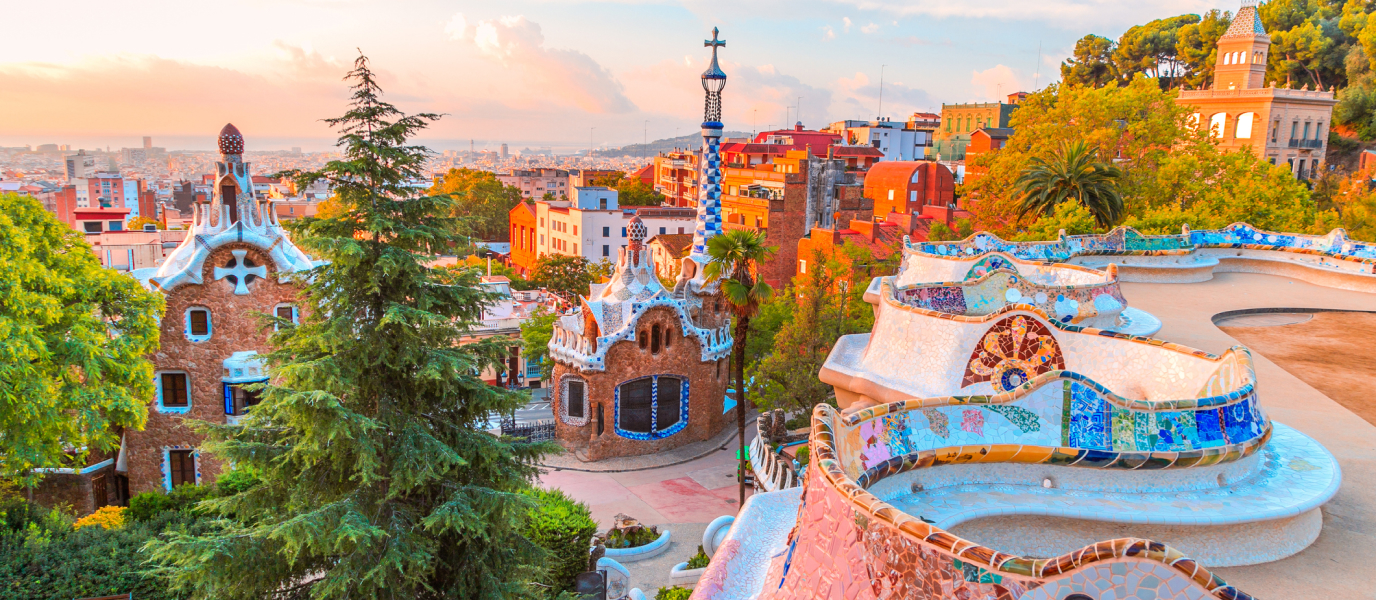
Barcelona is the capital of the Catalonia region in northeastern Spain, and it has a character all its own, shaped by a strong regional identity, a long Mediterranean coastline, and some of the most unusual architecture found anywhere in the world. Unlike Madrid, Barcelona sits directly on the sea, giving it a relaxed, beach-city energy alongside its reputation as a major center for art and design. Catalan, a language distinct from Spanish, is spoken widely here alongside Spanish, and it appears on most street signs, a reflection of the region's deep sense of its own identity.
A bit of backstory
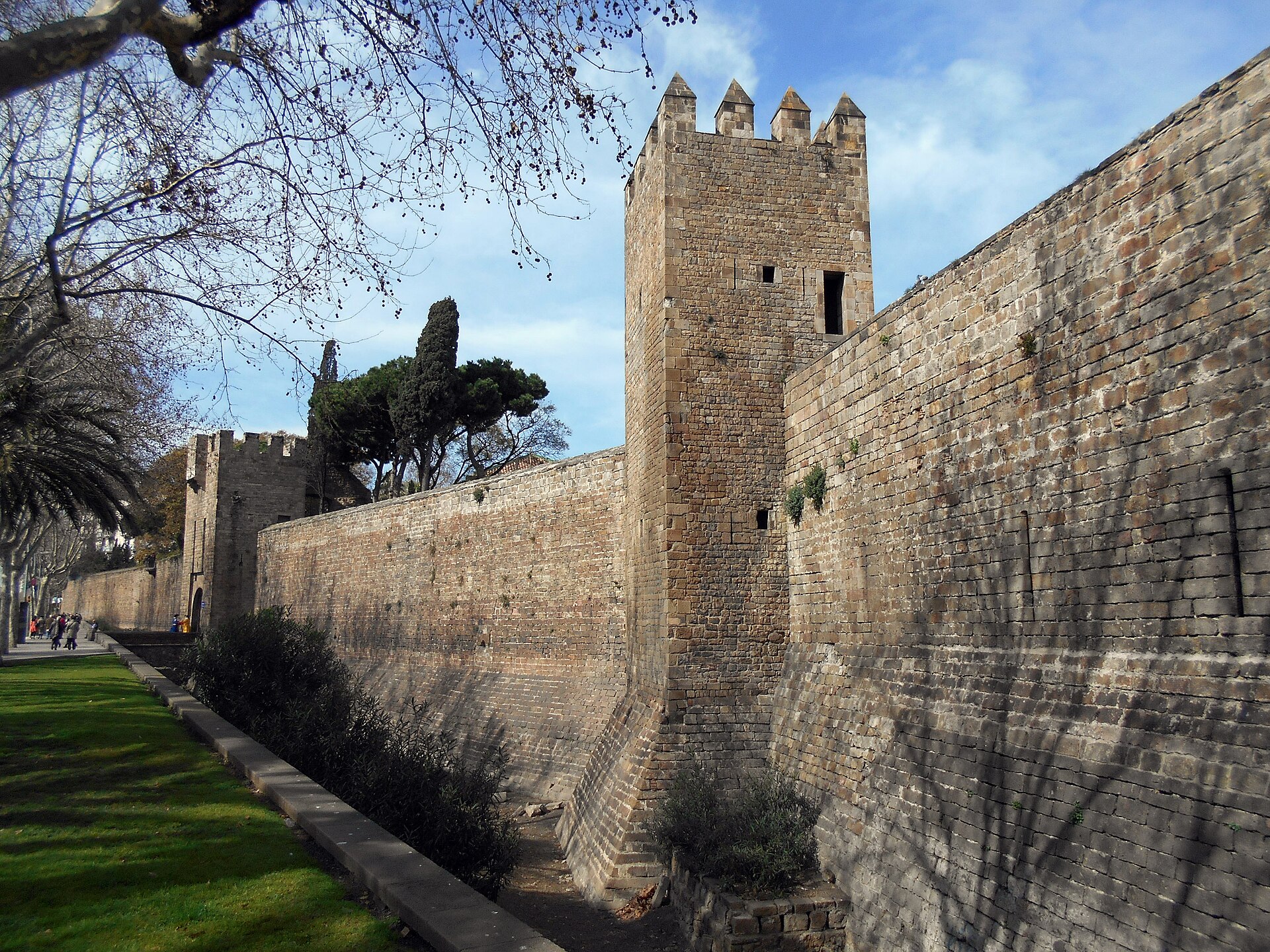
The city was founded by the Romans as Barcino around the 1st century BC, and remnants of the original Roman walls can still be seen in parts of the Gothic Quarter today. Barcelona grew into an important Mediterranean trading port through the medieval period, and by the late 1800s it was undergoing rapid industrial growth, which led to the creation of the Eixample district, a carefully planned grid of wide streets and distinctive octagonal blocks designed in the 1850s to modernize the city. It was during this same era of growth and confidence that architect Antoni Gaudí began the projects that would eventually define the city's image around the world.
One fact that regularly surprises visitors is that the Sagrada Família, Barcelona's most famous landmark, is still not finished, more than 140 years after construction began in 1882. Gaudí took over the project in 1883 and worked on it until his death in 1926, and the building is currently expected to finally be completed sometime in the coming years, funded entirely by ticket sales and donations rather than public money. Another interesting detail is that Barcelona hosted the 1992 Summer Olympics, an event widely credited with transforming the city's waterfront and international reputation, opening up beaches and neighborhoods that had previously been largely industrial.
Don't miss these
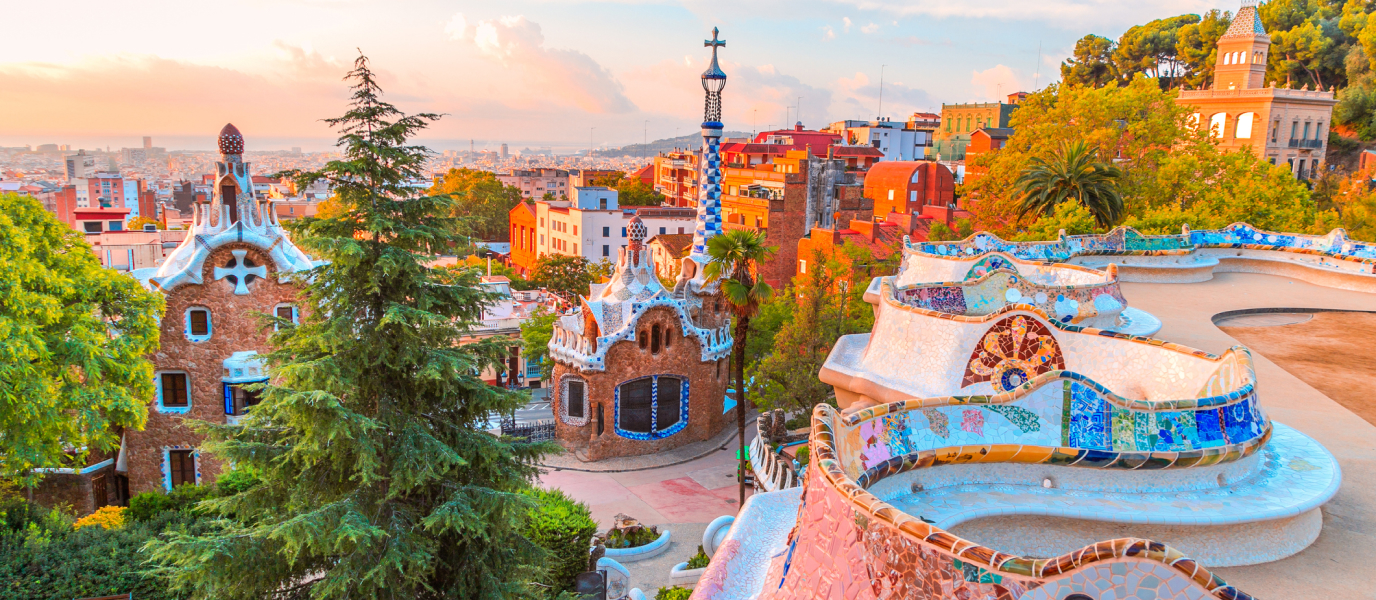
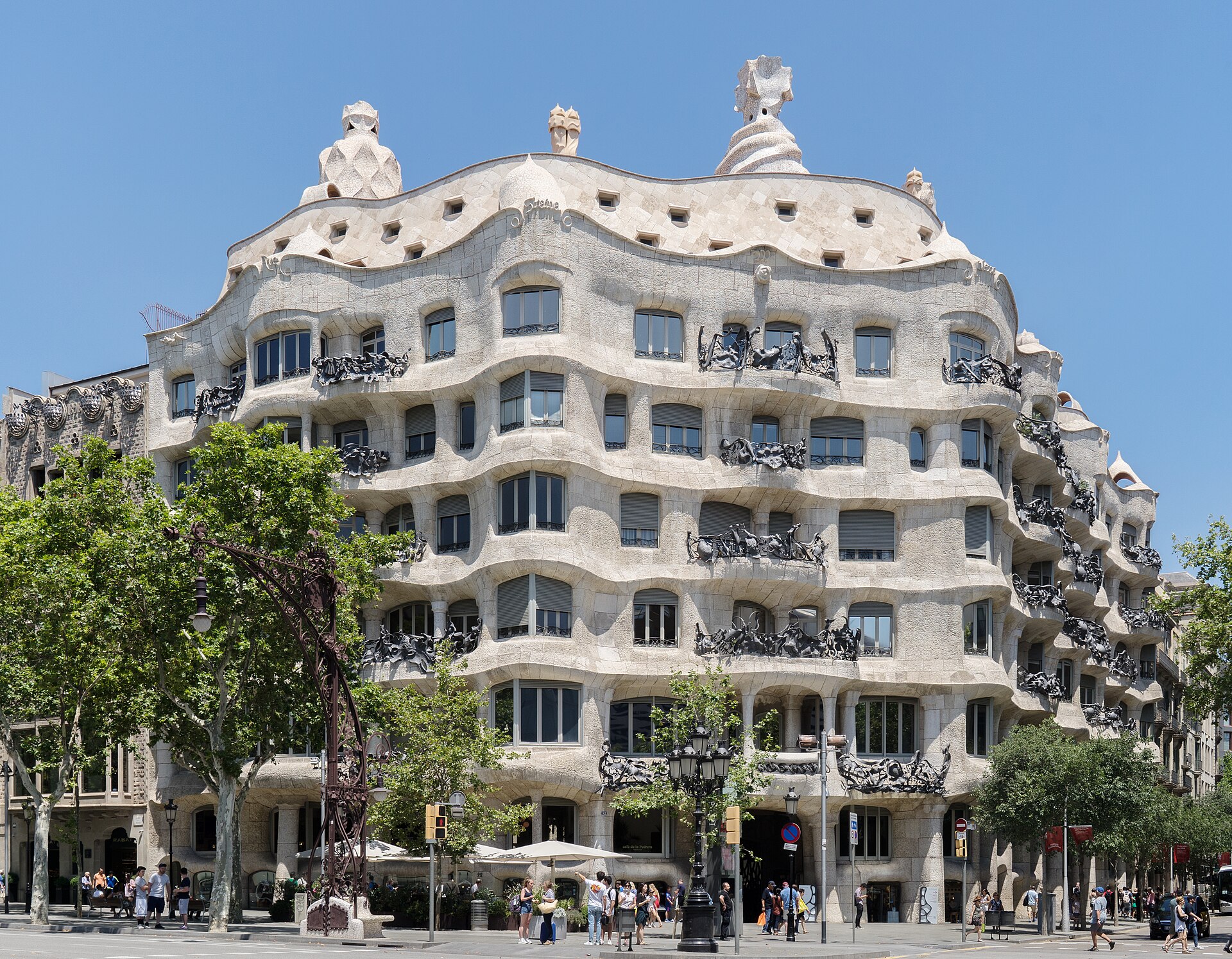
The Sagrada Família is, unsurprisingly, the top attraction for most visitors, and its interior is just as remarkable as the exterior, with columns designed to resemble a forest canopy and stained glass windows that flood the space with colored light throughout the day. Tickets should be booked well in advance, since the basilica is one of the most visited monuments in Spain despite still being a construction site in places. Gaudí's other major works are scattered around the city, including Park Güell, a colorful public park filled with mosaic-covered structures, and the apartment buildings Casa Batlló and Casa Milà, both open for tours.
The Gothic Quarter, or Barri Gòtic, is the historic heart of the city, a maze of narrow medieval streets that opens up periodically into small squares, many lined with cafes and shops. Nearby, La Rambla is Barcelona's most famous boulevard, always busy with street performers and stalls, leading down toward the waterfront. Just off La Rambla, La Boqueria market is one of the best food markets in Europe, packed with fresh produce, seafood, and stalls selling everything from fresh juice to Iberian ham.
Barcelona's beaches are a big part of its appeal, particularly Barceloneta, the closest beach to the city center, which gets busy but offers a genuinely enjoyable stretch of sand and sea right within a major European city. For sweeping views over the whole city, Park Güell offers a good vantage point, and Montjuïc, a hill overlooking the harbor, has several viewpoints along with a historic castle and the Olympic stadium built for the 1992 Games.
Eat like a local
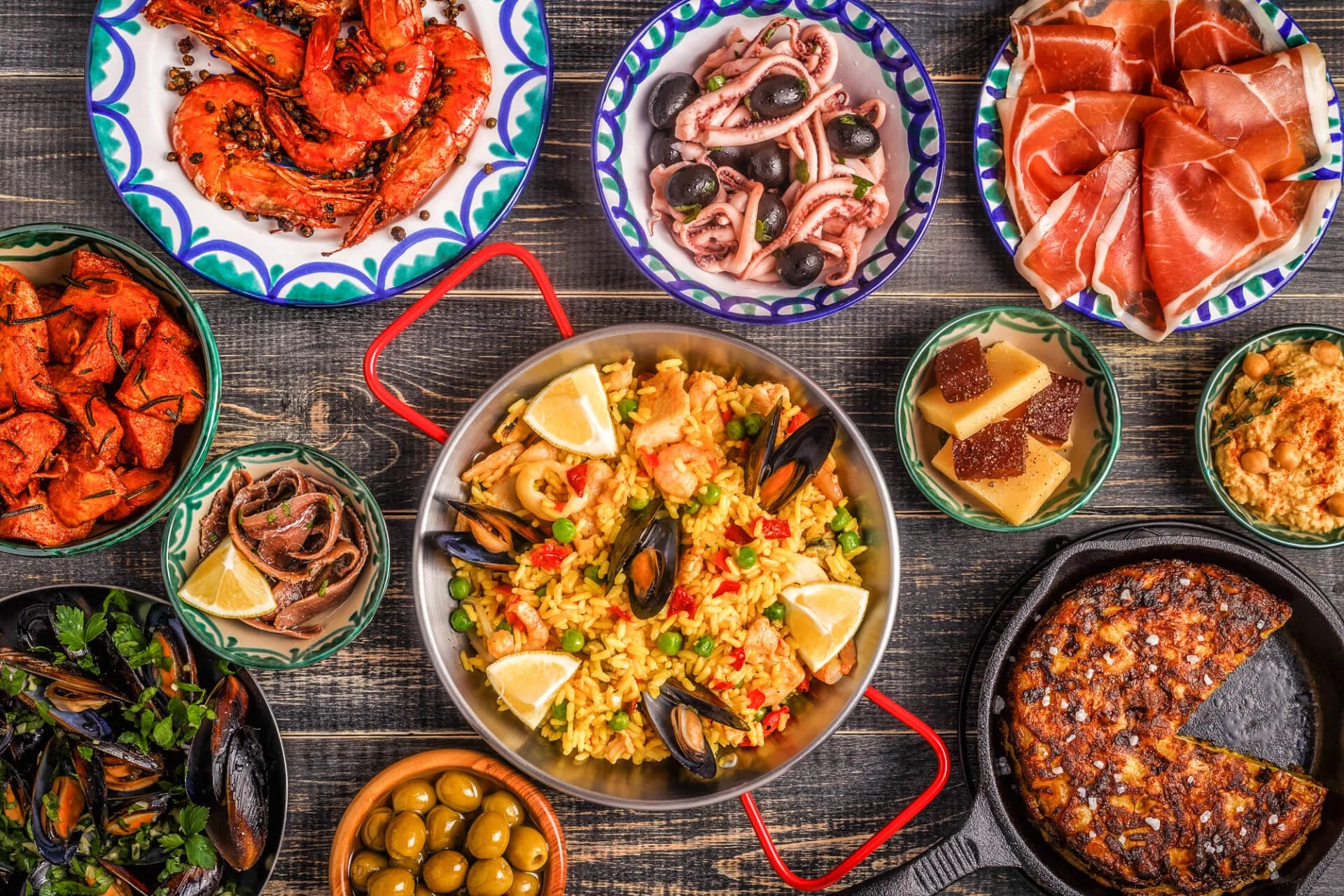
Catalan food differs in some ways from the rest of Spain, and dishes like pa amb tomàquet, simple bread rubbed with tomato and olive oil, and seafood-heavy paella are worth trying here specifically. As in the rest of Spain, tapas culture is strong, and wandering between small bars in the Gothic Quarter or the trendy El Born neighborhood is a good way to sample a range of dishes over an evening.
Traveler's cheat sheet
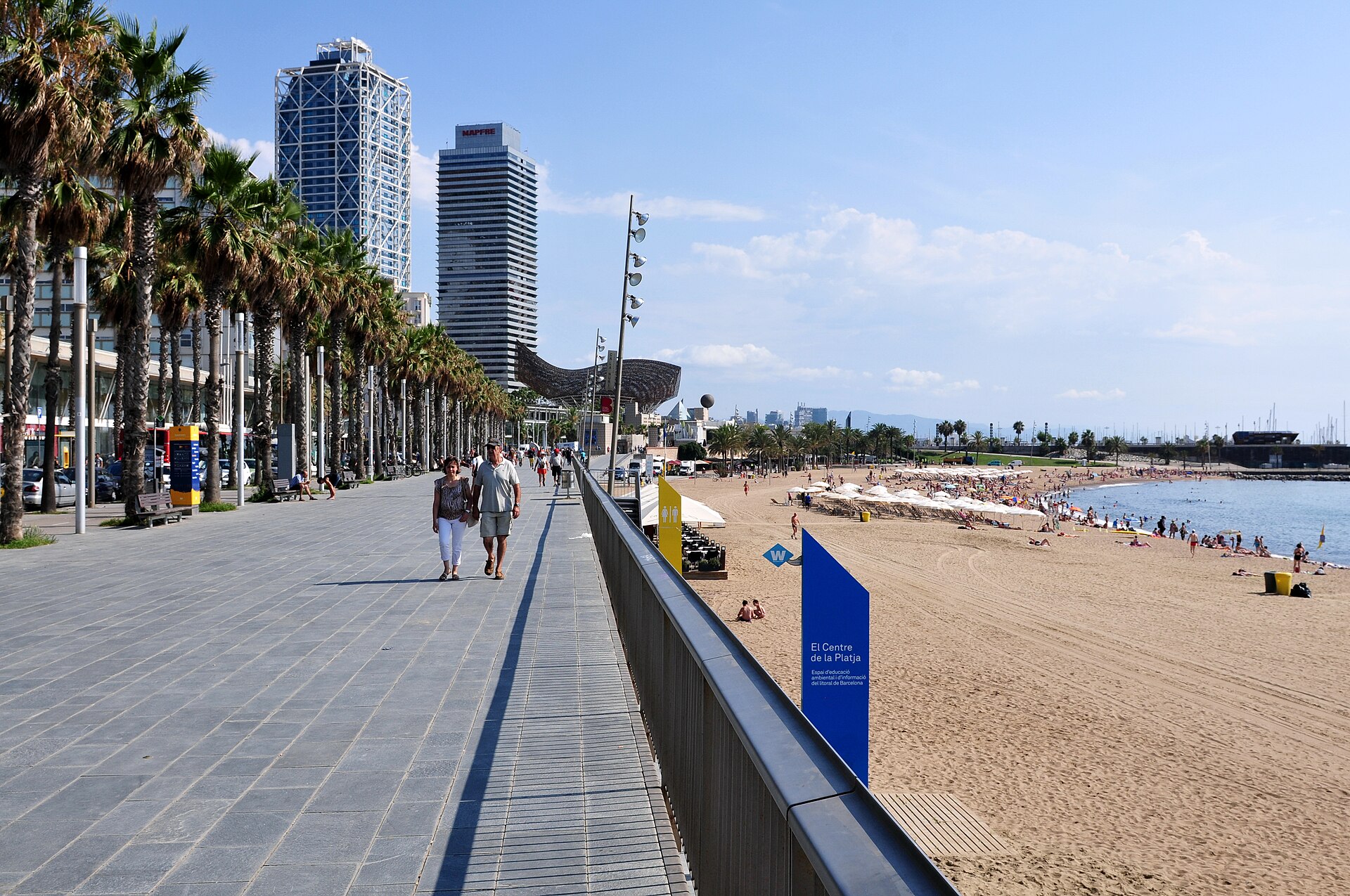
Barcelona has a good metro system that covers the city well, and many of the main sights, particularly in the Gothic Quarter and along the waterfront, are also easily walkable. Renting a bike is another popular option, especially for reaching Park Güell or exploring the wide boulevards of the Eixample district at a relaxed pace.
Late spring and early autumn tend to offer the best balance of good weather and manageable crowds, while July and August, though warm and sunny, are the busiest and most crowded months, particularly on the beaches. Winters are mild by European standards, making Barcelona a reasonably pleasant destination even outside the main summer season.
Montserrat, a dramatic mountain range with a historic monastery perched among its jagged peaks, is one of the most popular day trips from Barcelona, about an hour away by train, offering both a spiritual visit and some genuinely impressive hiking trails with sweeping views. Closer to the city, the beach towns of Sitges and Castelldefels are both easy to reach for anyone wanting a quieter, more local stretch of Mediterranean coastline than the busier city beaches.
As elsewhere in Spain, the euro is the currency used in Barcelona, and tipping remains fairly modest, with rounding up or a small extra amount appreciated rather than required. While Spanish is widely spoken and understood, Catalan is the primary local language and carries real cultural significance in the region, so a friendly attempt at a Catalan greeting is often well received.
Barcelona rewards visitors who mix its architectural highlights with some genuine downtime on the beach or in a plaza with a coffee, since trying to rush between every Gaudí building in a single day tends to be exhausting rather than enjoyable. Given how much ground the city covers, most visitors find that three or four days is a comfortable amount of time to get a proper feel for it.