Edinburgh
A castle on a hill, and a story around every corner.
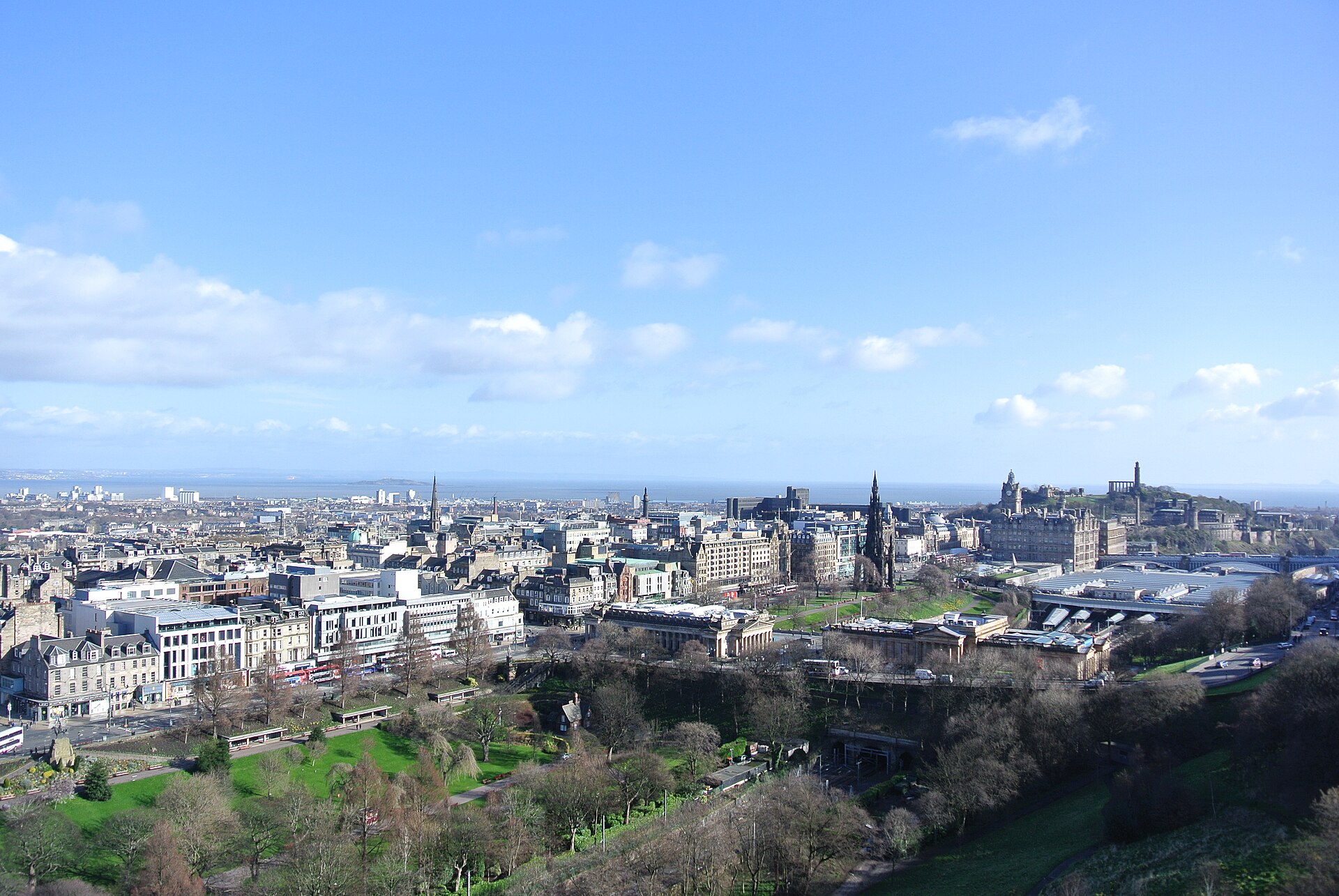
Edinburgh is the capital of Scotland, and it might be one of the most dramatically situated cities in Europe, built across a series of extinct volcanic hills and ridges that give it a skyline unlike almost anywhere else. At its center sits Edinburgh Castle, perched on top of an ancient volcanic rock and visible from much of the city below. Edinburgh is a relatively compact city, which makes it easy to explore on foot, and its combination of medieval Old Town and elegant Georgian New Town has earned it recognition as a UNESCO World Heritage Site, one of the few cities in the world to have two distinct historic areas protected in this way.
A bit of backstory
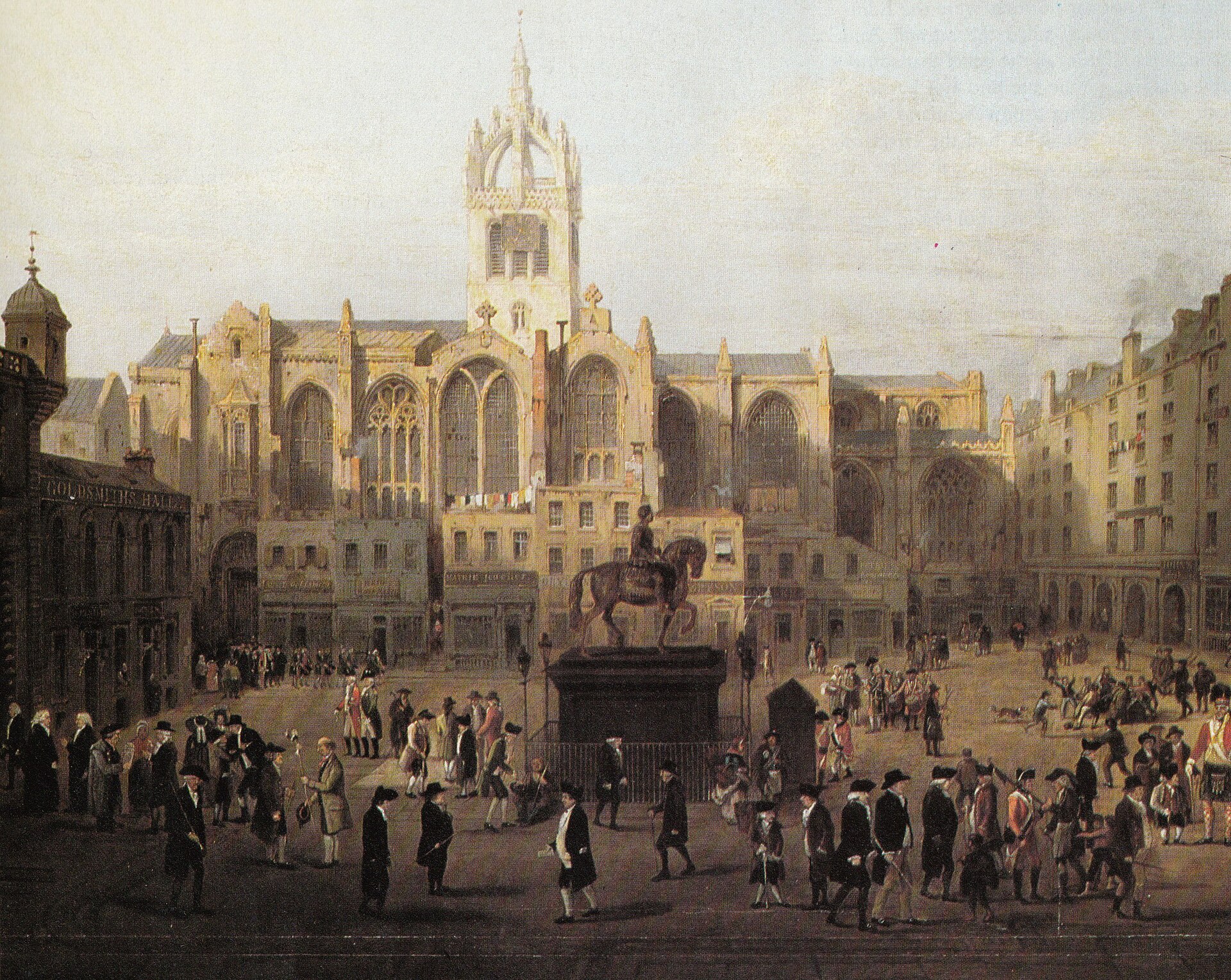
People have lived on and around Castle Rock, the hill where Edinburgh Castle now stands, since at least the Iron Age, making it one of the longest continuously occupied sites in Scotland. The city grew up around the castle through the medieval period, with the Royal Mile connecting it to Holyrood Palace at the other end of the Old Town. Edinburgh became the official capital of Scotland in the 15th century, and it later played a major role during the Scottish Enlightenment in the 1700s, a period when the city produced some of the era's most influential thinkers in science, philosophy, and economics, earning it the nickname the Athens of the North.
One fact that surprises many visitors is that Edinburgh's New Town, despite the name, is actually over 200 years old, built starting in the 1760s to relieve overcrowding in the Old Town and laid out in an elegant grid pattern that still stands today. Another interesting detail is that the city inspired much of the setting for the Harry Potter books, since author J.K. Rowling wrote parts of the series in Edinburgh cafes, and the nearby Greyfriars Kirkyard cemetery contains gravestones with names that fans have long connected to characters in the books, including a grave for a Thomas Riddell.
Don't miss these
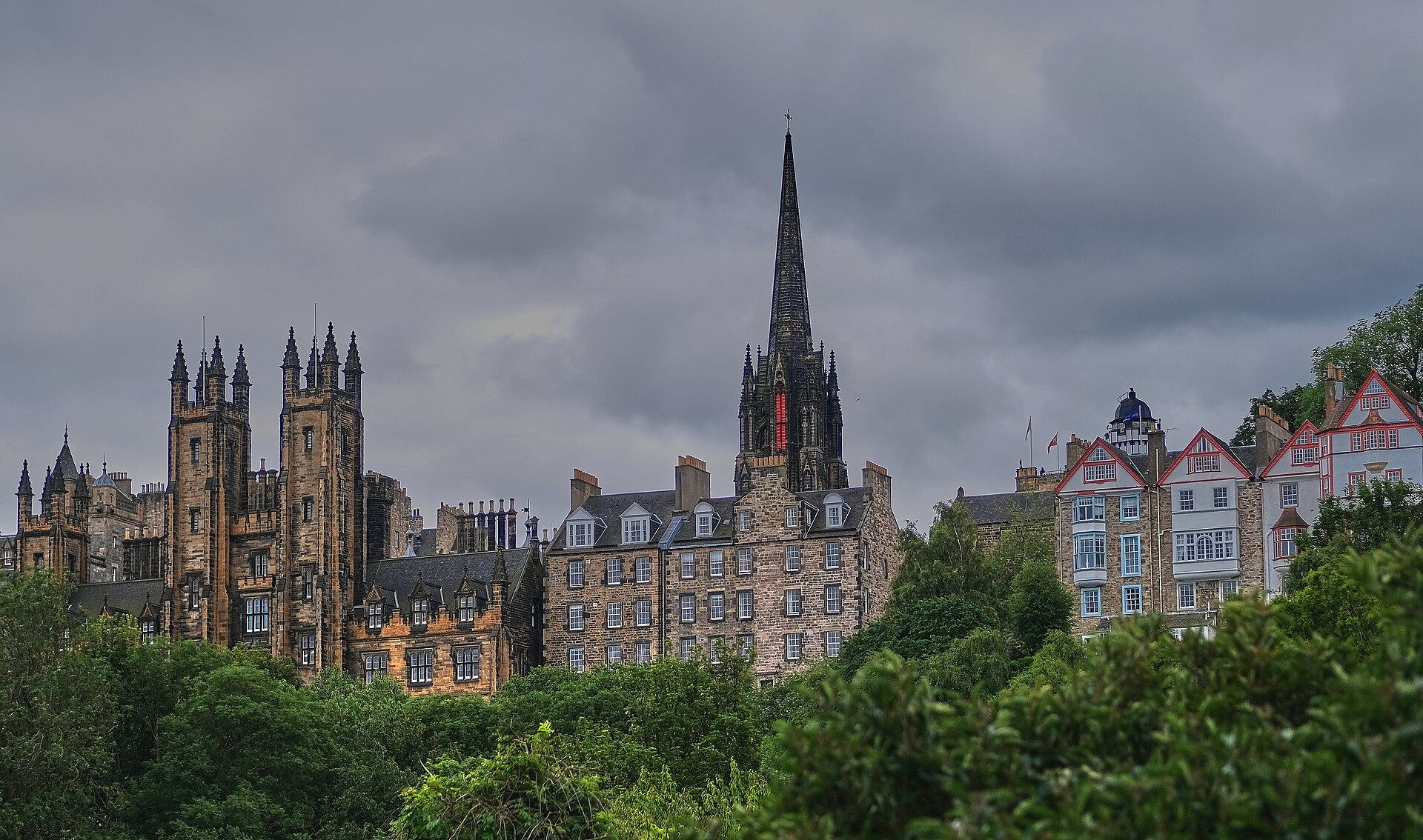
Edinburgh Castle is the obvious starting point for most visits, and it is worth setting aside a few hours to properly explore it, including the Crown Jewels of Scotland and the Stone of Destiny, an ancient symbol used in the coronation of Scottish and later British monarchs. From the castle, the Royal Mile stretches down through the Old Town, lined with historic buildings, shops, and pubs, all the way to the Palace of Holyroodhouse, the official residence of the British monarch in Scotland.
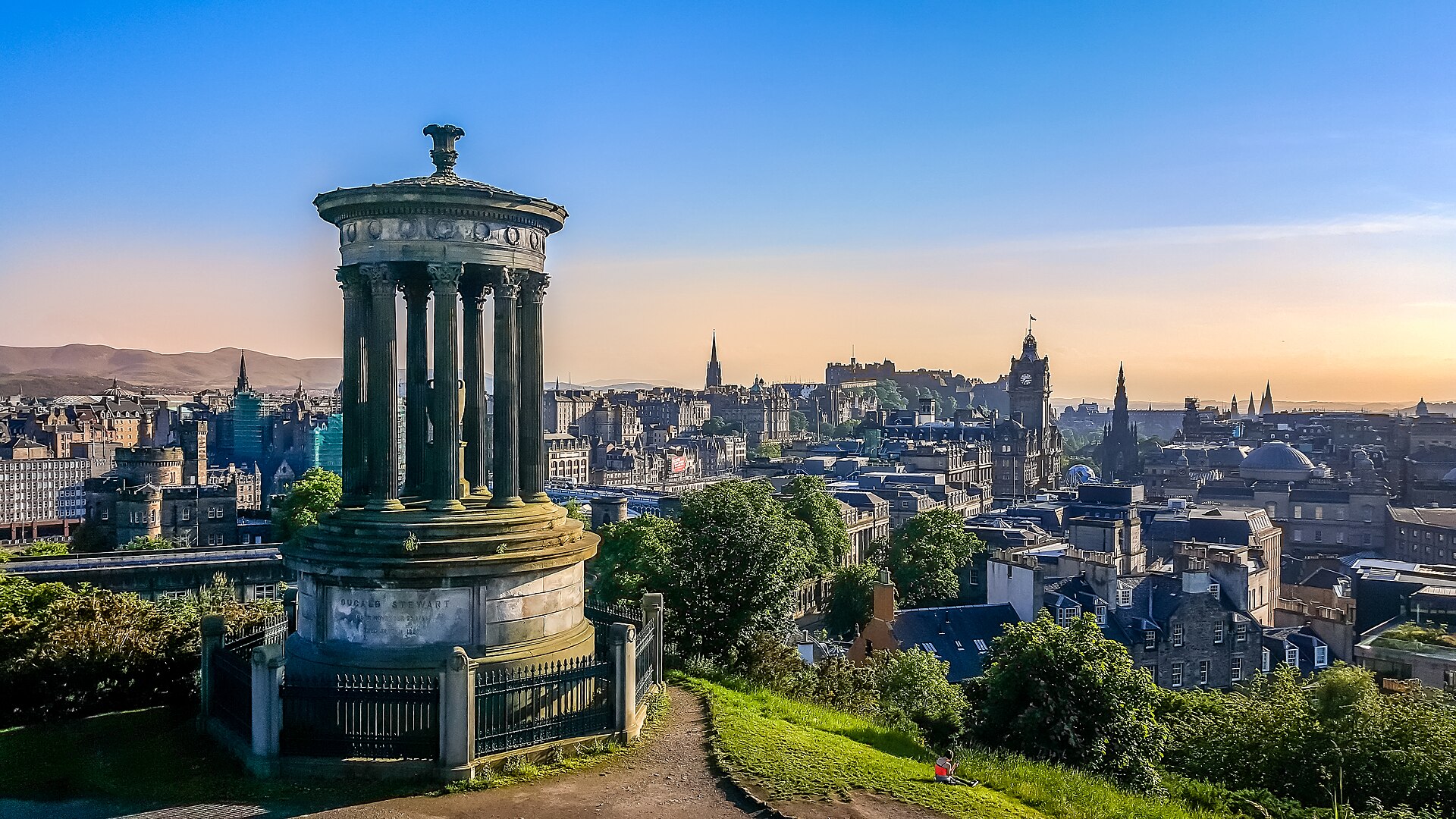
Arthur's Seat, the largest of the extinct volcanoes the city is built around, offers one of the best views in Edinburgh and is a fairly accessible hike that most visitors in reasonably good shape can manage in under two hours round trip. Calton Hill, a smaller and easier climb near the city center, is another excellent viewpoint, especially at sunset, and it is home to several unusual monuments, including an unfinished Greek-style structure sometimes called Edinburgh's Disgrace, since it was never completed due to a lack of funding in the 1820s.
The city is also famous for its festivals, particularly the Edinburgh Festival Fringe held every August, which has grown into the largest arts festival in the world, filling the city with performers, comedians, and street acts for the entire month. Even outside festival season, Edinburgh has a lively arts and pub culture, and the Old Town's narrow closes, or alleyways, are worth wandering through, many of them hiding small courtyards and historic doorways that are easy to miss if you stick only to the main streets.
Eat like a local
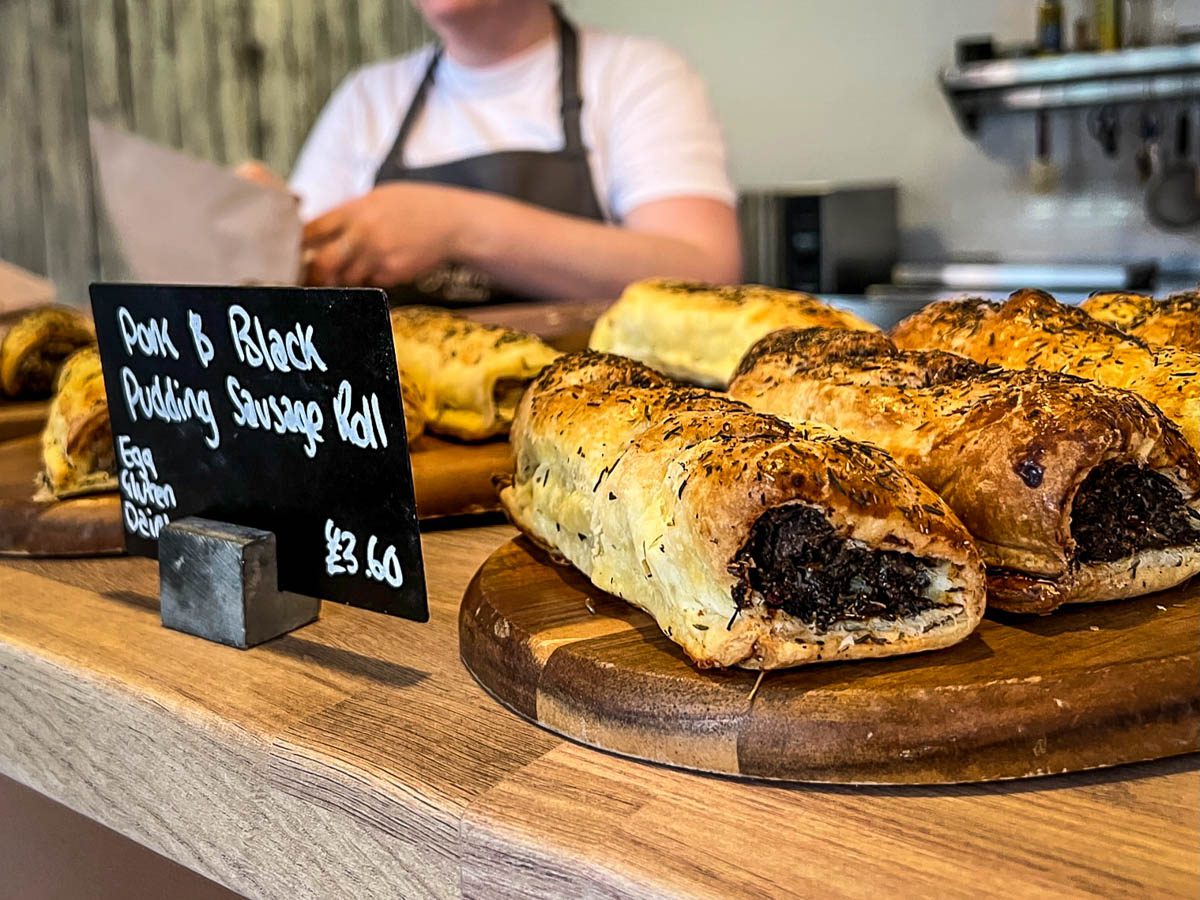
Scottish food is worth trying while in Edinburgh, and haggis, despite its unusual reputation, is generally well liked by visitors who give it a try, especially served the traditional way with neeps and tatties, or mashed turnip and potato. The city also has a strong whisky culture, with numerous bars and shops offering tastings for those curious about Scotland's most famous export.
Traveler's cheat sheet
Edinburgh is compact enough that most visitors can comfortably explore the Old Town and New Town entirely on foot, though the hills mean a reasonable level of fitness helps, especially around the castle and Arthur's Seat. Buses cover the rest of the city well for anyone wanting to venture further afield, and the airport is connected to the center by a convenient tram line.
Summer, particularly August during the Fringe Festival, is the busiest and liveliest time to visit, though accommodation prices rise accordingly. For a quieter trip with still-decent weather, late spring or early autumn are good alternatives, while winter brings shorter days but also the popular Edinburgh Hogmanay street party around New Year, one of the biggest in the world.
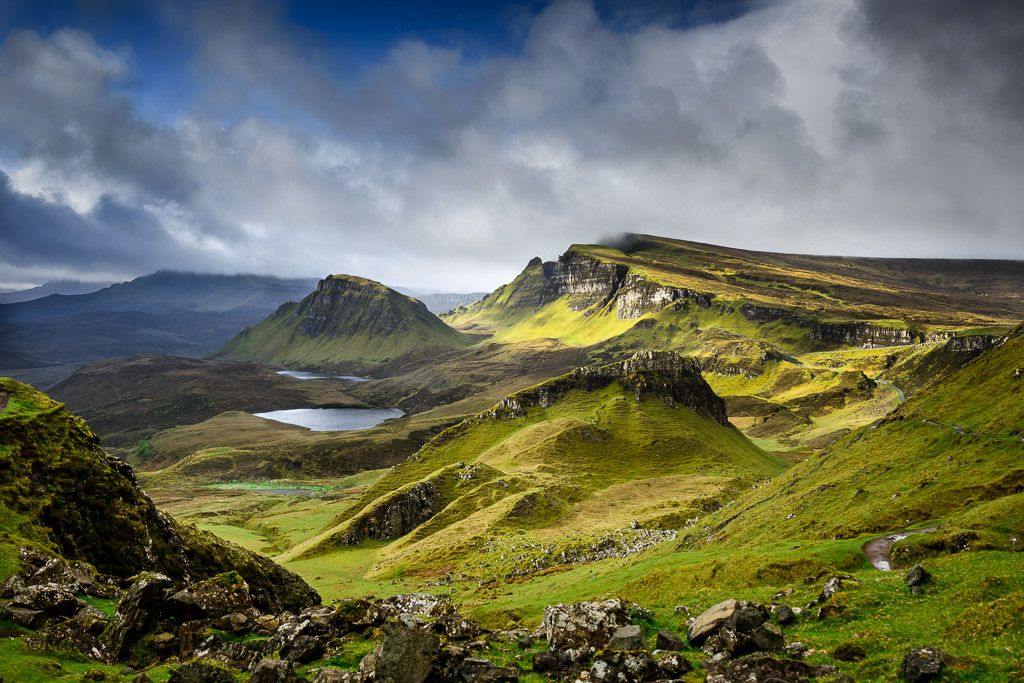
For a day trip out of the city, the Scottish Highlands are within reach for anyone with a car or willing to join an organized tour, and even a single day can offer a genuine taste of Scotland's dramatic mountain and loch scenery. Closer to the city, the coastal town of North Berwick, about half an hour away by train, makes for a pleasant, easy escape, with a sandy beach and boat trips out to see the local puffin colonies during the summer nesting season.
As across the United Kingdom, the currency in Edinburgh is the British pound, though Scottish banknotes, while officially valid throughout the UK, are sometimes met with a raised eyebrow outside Scotland, so it is worth exchanging any leftover Scottish notes before leaving the country. Tipping of around 10 percent is appreciated at restaurants but not strictly required the way it is in the US.
Edinburgh's weather can turn quickly, so layers and a waterproof jacket are wise no matter the season. Compact, walkable, and full of history around nearly every corner, it is a city that rewards curiosity, whether that means ducking down an unmarked close in the Old Town or climbing a hill for one more view over the rooftops.