Glasgow
Scotland's biggest city, with warmth to match its size.
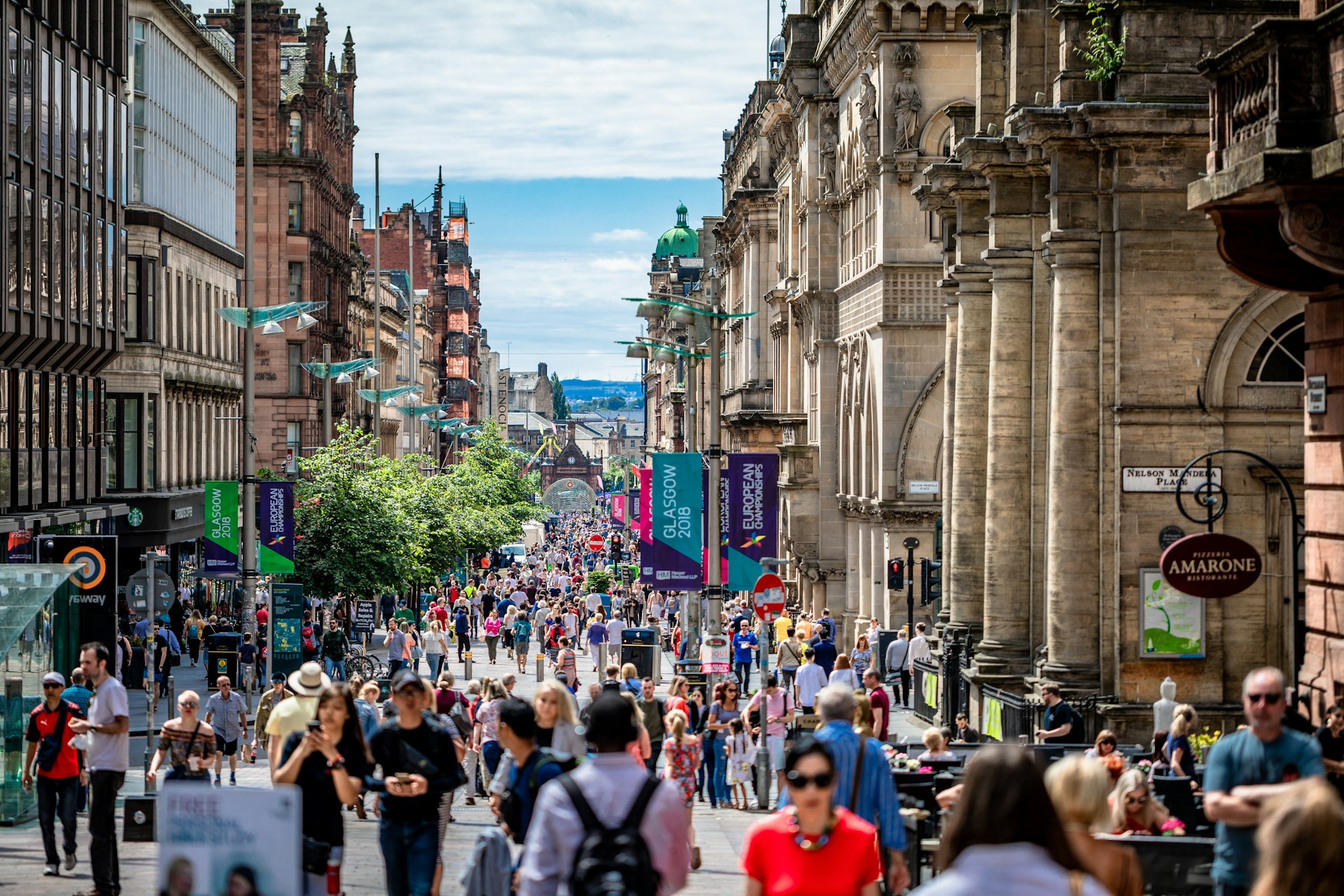
Glasgow is Scotland's largest city, though it often gets less attention from visitors than Edinburgh, which is a shame given how much it has to offer. Where Edinburgh feels historic and dramatic, Glasgow feels more like a working city with a strong creative streak, known for its Victorian and Art Nouveau architecture, its lively music scene, and a reputation for friendliness that regularly gets mentioned by travelers who visit. It sits on the River Clyde in the west of Scotland, and its history is closely tied to shipbuilding and industry, which shaped much of the city you see today.
A bit of backstory
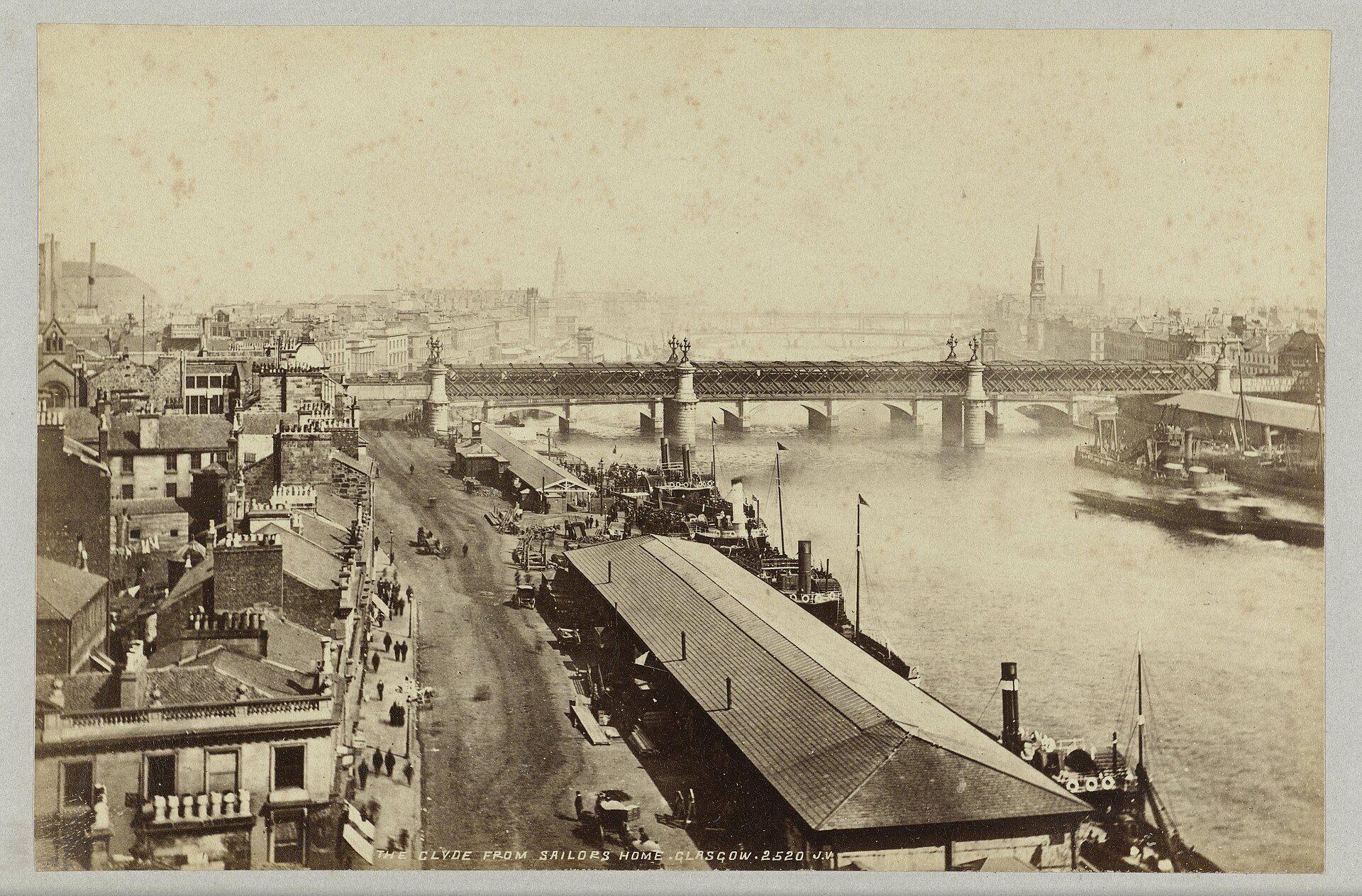
Glasgow grew from a small settlement around a cathedral founded in the 6th century by Saint Mungo, the city's patron saint, whose name still appears throughout Glasgow today. The city expanded steadily over the centuries, but its biggest transformation came during the Industrial Revolution, when Glasgow became one of the world's major centers for shipbuilding, earning the nickname the Second City of the Empire during the height of British industrial power in the 1800s. Ships built on the River Clyde were sent all over the world, and the wealth this generated funded much of the grand Victorian architecture that still defines the city center.
One fact that surprises visitors is that Glasgow was once responsible for building around a quarter of the entire world's ships during the peak of its shipbuilding era in the late 1800s and early 1900s, an extraordinary figure for a single city. Another interesting detail is that the artist and architect Charles Rennie Mackintosh, one of the most influential figures of the Art Nouveau movement, was born and worked in Glasgow, and several of his buildings and interiors are still open to visit today, including the Glasgow School of Art, which he designed in the 1890s.
Don't miss these
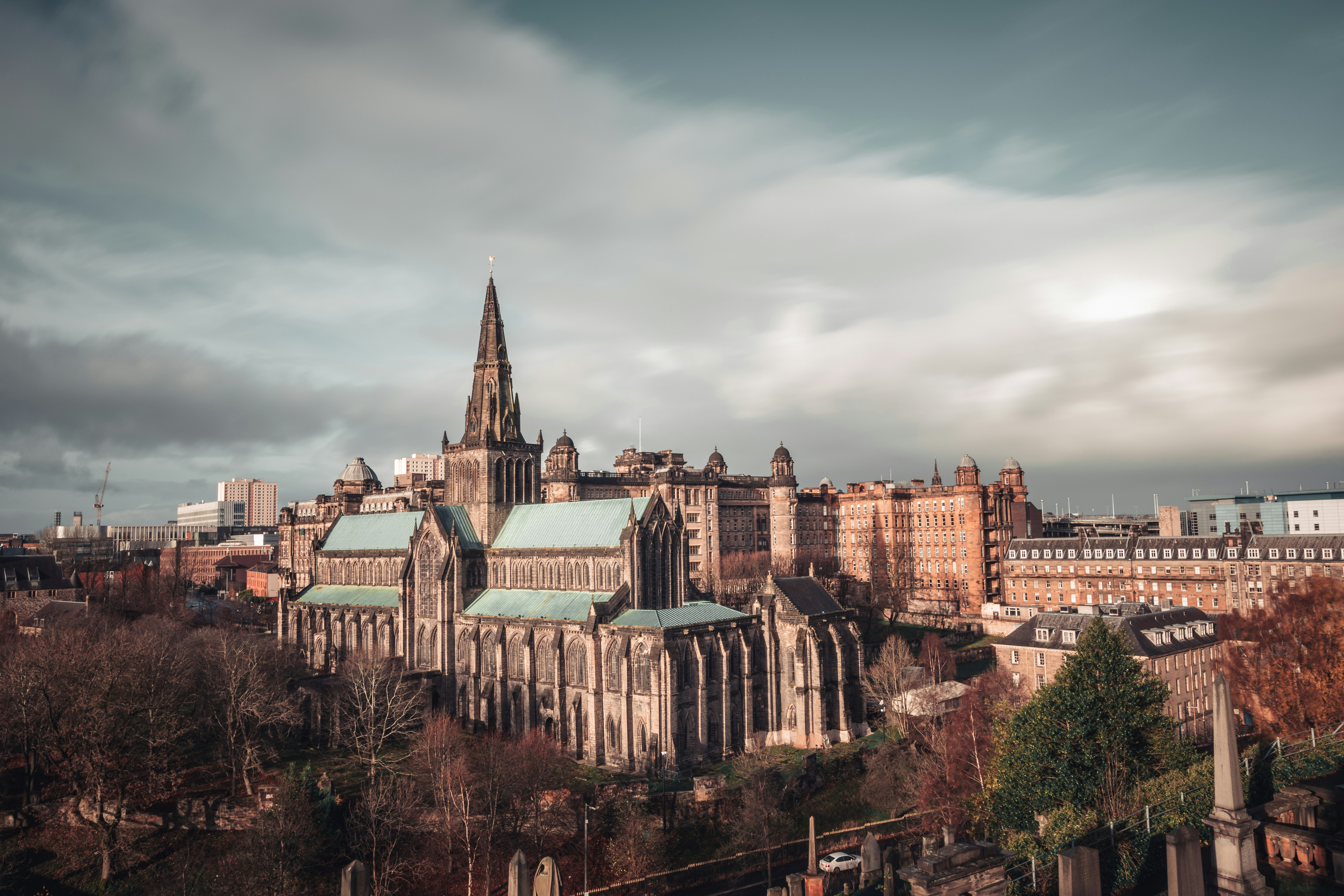
Glasgow Cathedral is one of the few Scottish cathedrals to have survived the Reformation of the 1500s largely intact, and it remains an impressive and moving place to visit, along with the atmospheric Necropolis cemetery on the hill just behind it, which offers good views over the city. Kelvingrove Art Gallery and Museum, housed in a striking red sandstone building, holds an excellent and free collection covering everything from natural history to fine art, and it is consistently rated as one of the best free museums in the country.
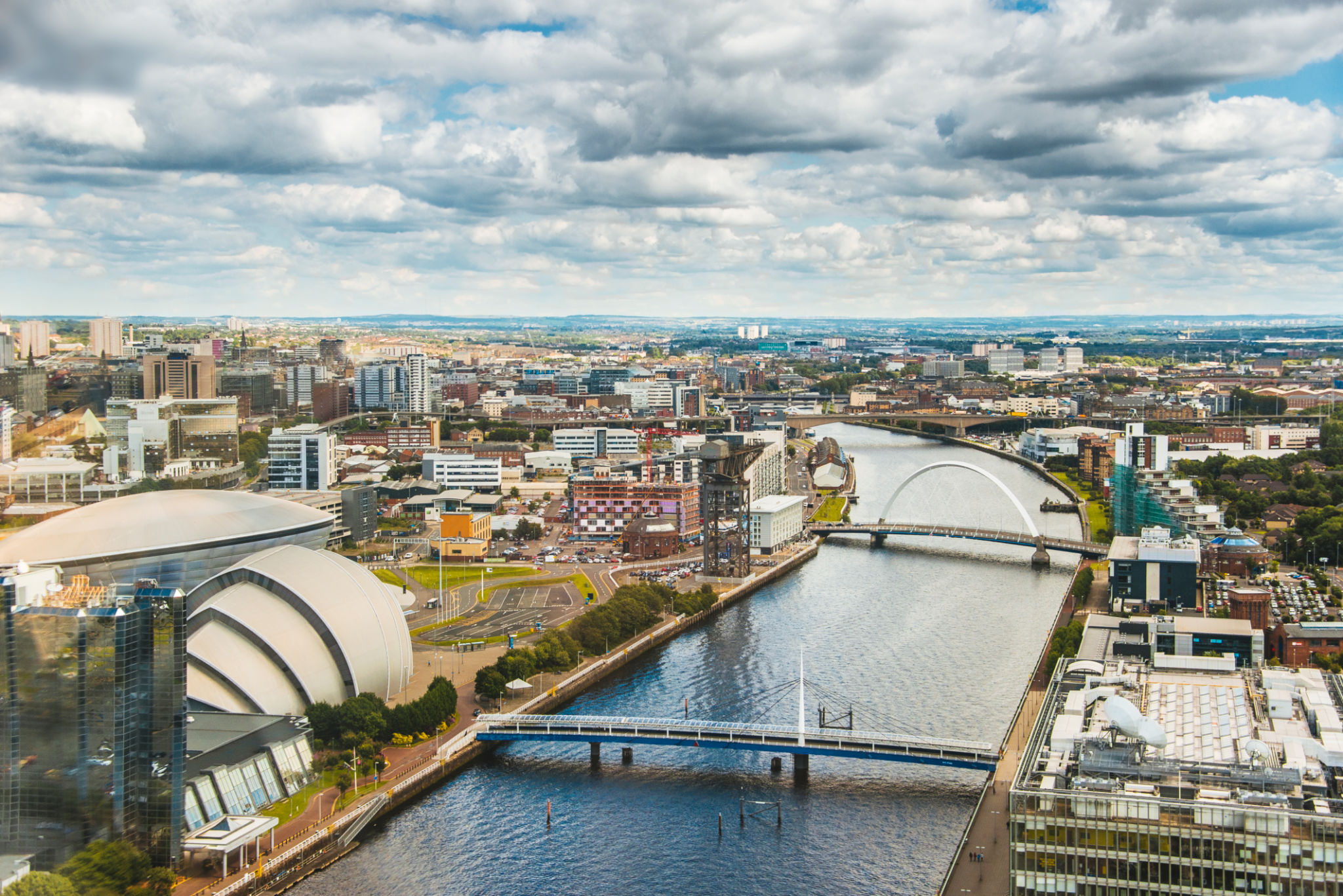
The West End neighborhood, home to Kelvingrove and the University of Glasgow, has a relaxed, slightly bohemian feel, with plenty of cafes, bookshops, and the pleasant Kelvingrove Park to wander through. The University of Glasgow itself, founded in 1451, is one of the oldest universities in the English-speaking world, and its Gothic main building is worth a look even if you are not visiting the museum inside. The Riverside Museum, dedicated to transport and travel, sits along the Clyde and includes an impressive collection of vintage cars, trains, and ships, reflecting the city's industrial past.
Music is a huge part of Glasgow's identity, and the city has produced or hosted an outsized number of major bands and artists relative to its size, earning it a UNESCO City of Music designation in 2008. There are live music venues scattered throughout the city, from small pub gigs to larger arenas, and catching a show, even an unplanned one, is one of the more authentic ways to experience Glasgow's evening scene.
Eat like a local

Food in Glasgow ranges from hearty traditional Scottish fare to an increasingly strong international and modern dining scene, and the city has a good number of well-regarded curry houses, a legacy of a large and long-established South Asian community. As in Edinburgh, whisky bars are easy to find for anyone wanting to sample Scotland's national drink in a proper local setting.
Traveler's cheat sheet
Glasgow's city center is compact and easy to explore on foot, with the Subway, affectionately nicknamed the Clockwork Orange because of its small orange trains and circular route, providing a handy option for covering a bit more ground quickly. Buses and trains also connect well to the West End and other neighborhoods slightly further from the center.
Like the rest of Scotland, Glasgow's weather is changeable throughout the year, so packing for all conditions is wise regardless of season. Late spring through summer generally offers the mildest and driest weather, and it also lines up with a busy calendar of festivals and outdoor events held across the city.
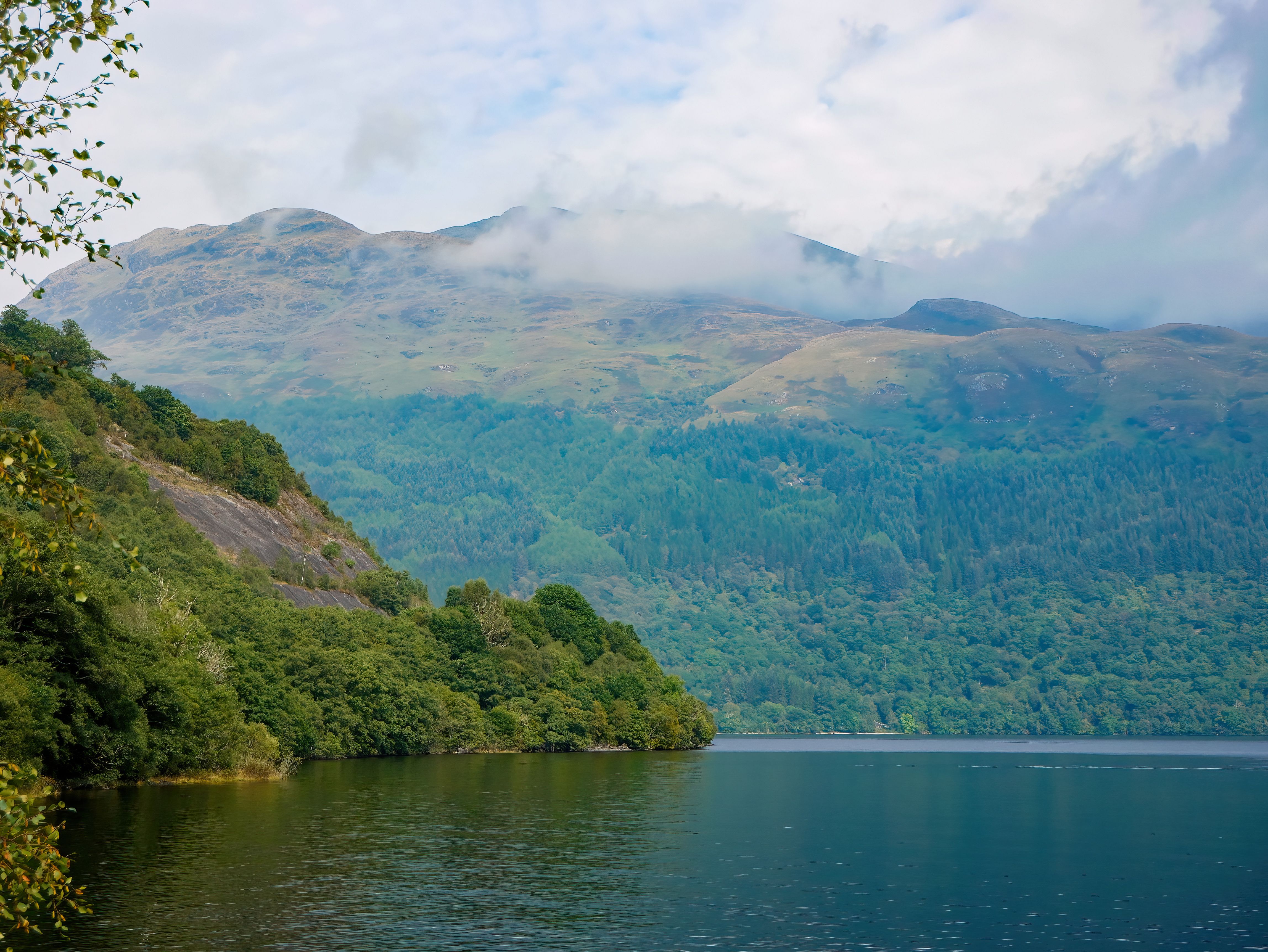
Glasgow also makes a good base for day trips into the surrounding countryside, and Loch Lomond, Scotland's largest loch by surface area, is under an hour away by car or train, offering walking trails and boat trips against a backdrop of rolling hills. History fans might also want to visit New Lanark, a remarkably preserved 18th-century mill village and UNESCO World Heritage Site about an hour south of the city, which was once considered a genuinely progressive model for how workers should be treated during the Industrial Revolution.
The British pound is the currency used throughout Scotland, including in Glasgow, and as in Edinburgh, tipping of around 10 percent at restaurants is a nice gesture rather than a strict requirement. Scottish accents can take a little getting used to for first-time visitors, but locals are generally happy to repeat themselves with a smile if you need them to.
Glasgow is often described as Scotland's most underrated city, and spending even a couple of days here alongside a trip to Edinburgh gives a much fuller picture of the country, both in terms of history and in terms of the genuine warmth of the people who live there.