Las Vegas
A city built entirely on bright lights and big bets.
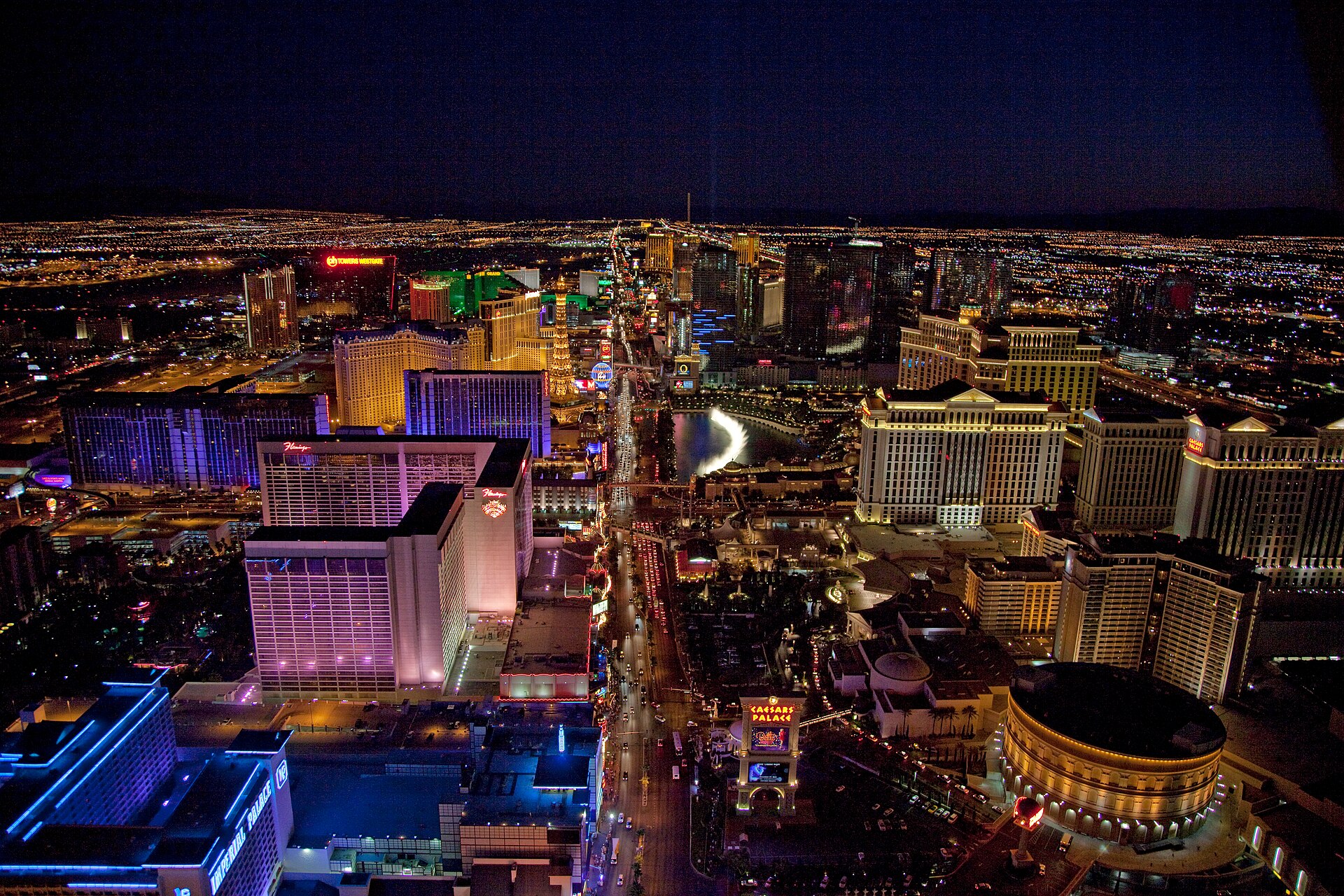
Las Vegas sits in the middle of the Nevada desert, which makes its existence a little improbable on its own. There is no major river running through it, no natural harbor, nothing that would obviously suggest a city should grow here. Instead, Las Vegas exists almost entirely because of a decision to legalize gambling in Nevada in 1931, at the height of the Great Depression, as a way to bring in tax revenue. From that single decision, a small desert railroad town grew into one of the most recognizable cities in the world, famous for its casinos, its shows, and the sheer scale of everything on the Strip.
A bit of backstory
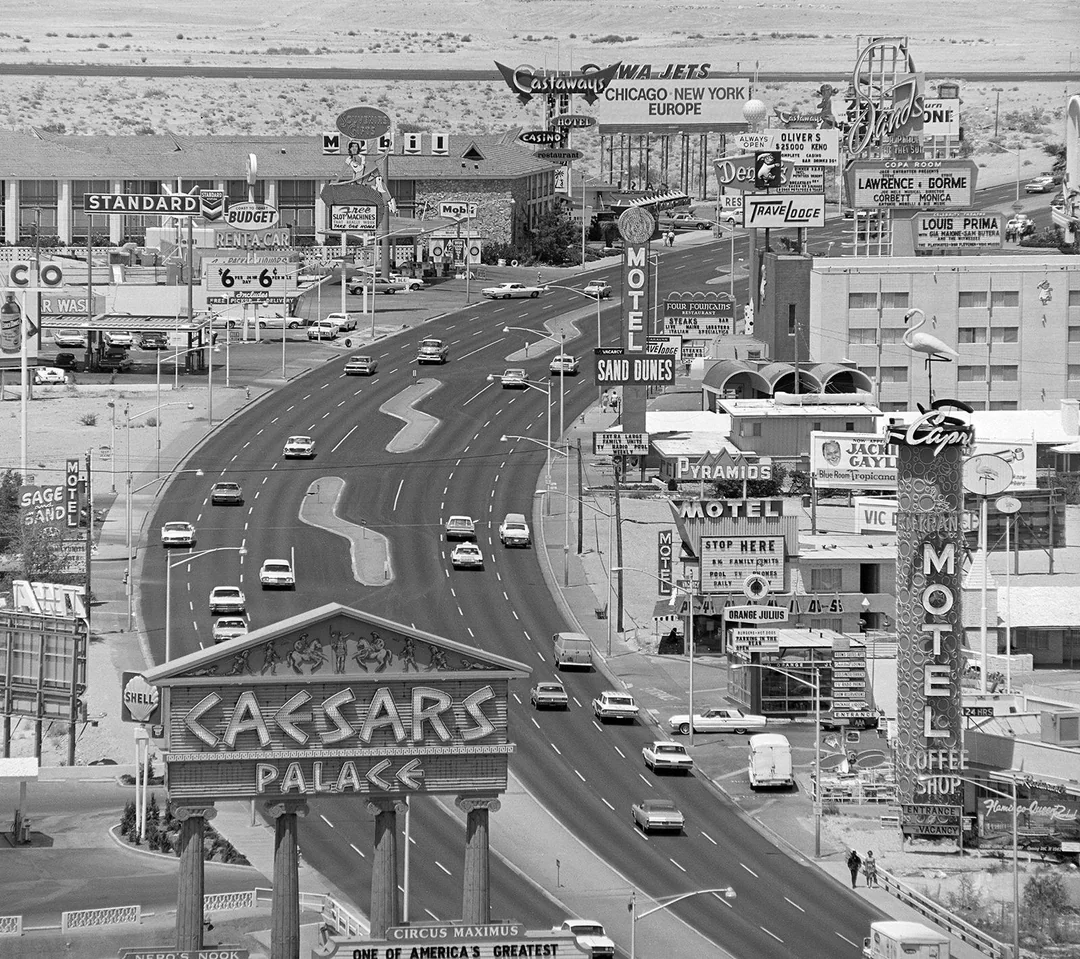
The name Las Vegas is Spanish for The Meadows, given by Spanish traders in the 1800s who found natural springs in the area, a rare source of water in the surrounding desert. The city was officially founded in 1905 when a rail company auctioned off plots of land, but its real transformation began decades later. The construction of the Hoover Dam in the 1930s brought thousands of workers to the region, and many of them looked for entertainment in nearby Las Vegas. Combined with the legalization of gambling that same decade, the city had everything it needed to grow into the entertainment capital it would eventually become.
One fact that catches people off guard is that the Hoover Dam, one of the largest dams in the world, is only about 45 minutes from the Strip and makes for an easy half-day trip, offering a striking contrast to the neon lights of the city. Another interesting detail is that Las Vegas has reinvented itself several times over the decades, from the mob-run casinos of the mid-1900s, to the family-friendly theme resorts of the 1990s, to the modern, high-end version of the city that exists today, filled with celebrity chef restaurants and enormous residency shows by major music artists.
Don't miss these
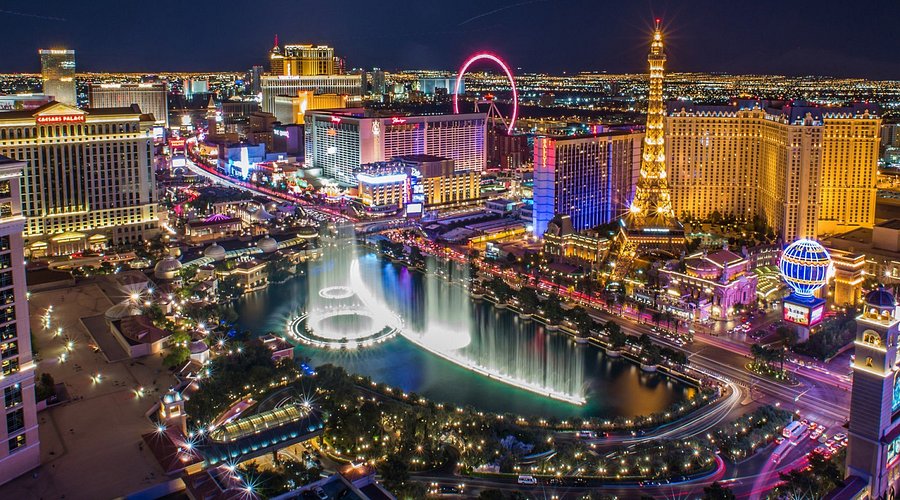
The Las Vegas Strip is the heart of any visit, a roughly 6.5 kilometer stretch of Las Vegas Boulevard lined with some of the largest hotels in the world. Many of the resorts are attractions in their own right: the Bellagio's fountains put on a free water and music show every half hour in the evening, the Venetian recreates canals complete with singing gondoliers, and the Luxor is shaped like a giant pyramid with a light beam shooting straight up from its peak, visible from space on a clear night. Simply walking the Strip after dark, taking in the different resorts, is an experience on its own.

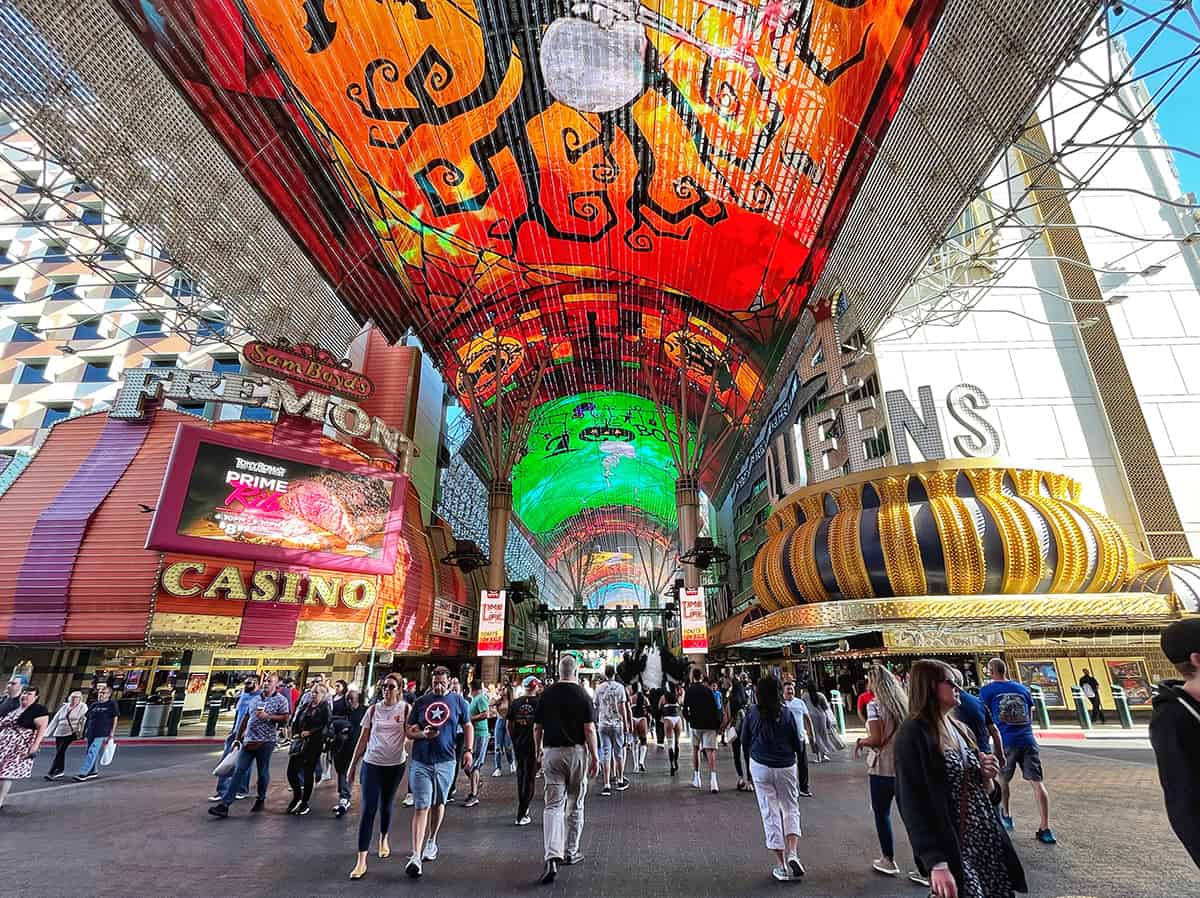
Beyond the casino floors, Las Vegas has built a reputation as a genuine entertainment capital. World-class magicians, comedians, and musicians perform residencies here throughout the year, and Cirque du Soleil alone runs several different permanent shows across different resorts. Fremont Street, in the older downtown area away from the Strip, offers a different vibe, with a massive canopy of LED screens overhead and a more retro, old-Vegas feel that many visitors find refreshing after the polish of the newer resorts.
For a break from the city itself, Red Rock Canyon is only about half an hour away and offers hiking trails and dramatic red sandstone scenery that feels a world apart from the Strip. The Grand Canyon is also within reach as a day trip, either by car or by a short flight, and many visitors choose to combine a Las Vegas trip with a look at one of the country's most famous natural landmarks.
Eat like a local

Eating in Las Vegas has become an attraction of its own, with many top chefs from around the world running restaurants inside the major resorts. Buffets are still a Vegas tradition worth trying at least once, though the city's fine dining scene has grown just as impressive in recent years, with options to match nearly any budget or craving.
Traveler's cheat sheet
Most of the Strip is walkable once you are there, though the sheer size of the resorts means distances can be deceiving, and a walk that looks short on a map can easily take twenty minutes between casino floors. The monorail and rideshare services are both useful for covering longer distances, especially late at night or in the summer heat when walking outdoors is less appealing.
Spring and fall offer the most comfortable weather, with warm days and cool evenings, while summer temperatures regularly climb above 40 degrees Celsius, which can make walking the Strip during the day fairly uncomfortable. Many experienced visitors plan their outdoor time for the morning or evening and save the afternoon for air-conditioned casinos and shows.
Beyond the Strip and downtown, Lake Mead, the huge reservoir created by the Hoover Dam, is another easy day trip, offering boating, swimming, and hiking options in a dramatic desert setting. For a different kind of evening, several resorts host free or low-cost attractions worth seeking out, such as the Bellagio's conservatory with its seasonally changing botanical displays, which offers a quieter, more peaceful contrast to the noise and lights of the casino floor just steps away.
The US dollar is used everywhere, including at the casino tables, and tipping culture is especially strong in Las Vegas, extending to dealers, bartenders, and housekeeping staff, not just restaurant servers. A modest tip for good service is generally appreciated and, in a city built around hospitality, often expected as a normal part of daily transactions.
Las Vegas works best when you treat it as a city of contrasts: loud and glamorous on the Strip, but with quieter, more natural experiences just a short drive away. Whether your idea of a good trip involves a poker table, a live show, or a desert hike, the city tends to have an answer for it, often within walking distance of your hotel.