Lisbon
Seven hills, yellow trams, and a view around every bend.
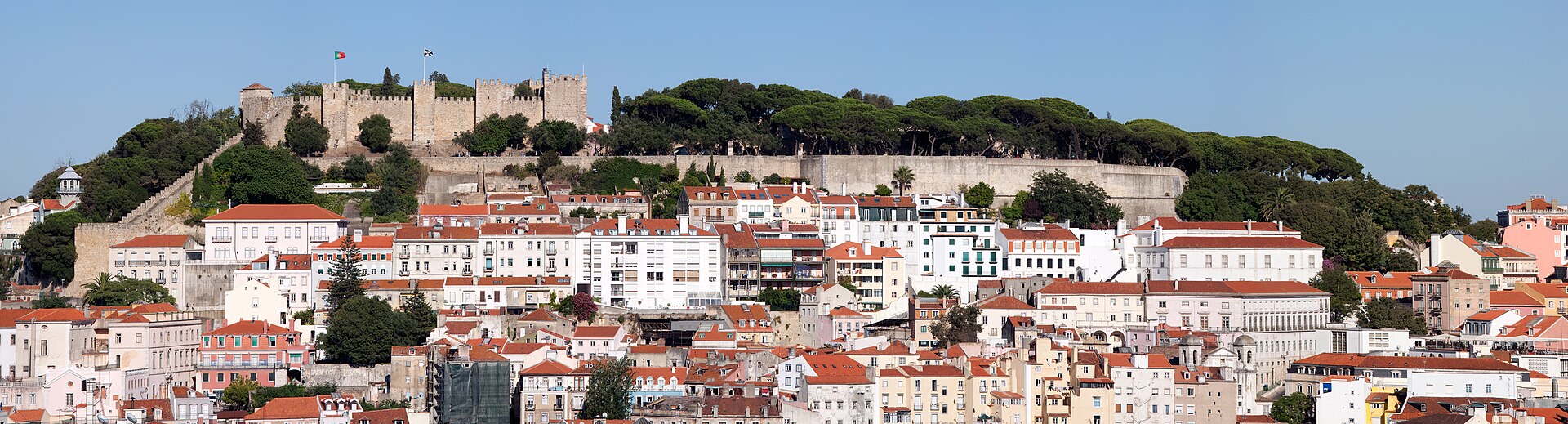
Lisbon is the capital of Portugal and one of the oldest cities in Western Europe, older even than London, Paris, or Rome, according to some historians. It is built across a series of steep hills along the Tagus River, close to where the river meets the Atlantic Ocean, and that hilly layout gives the city a rewarding mix of narrow winding streets and sudden, sweeping viewpoints. Lisbon has a relaxed, sun-warmed atmosphere that feels distinct from many other European capitals, and its pastel-colored buildings, decorative tiles, and old yellow trams have made it an increasingly popular destination in recent years.
A bit of backstory
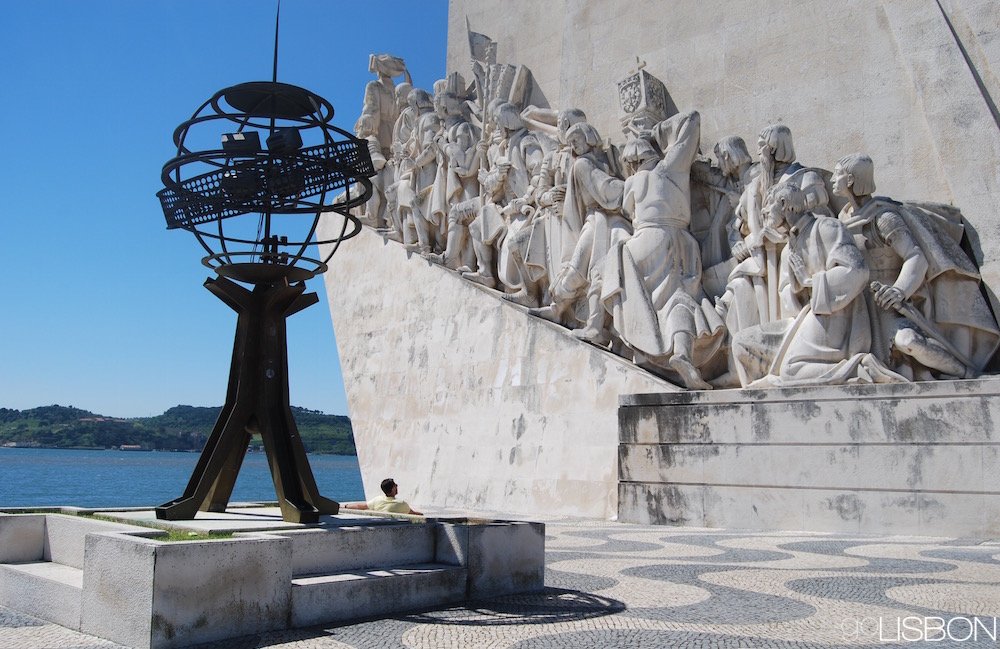
The city's history stretches back to the Phoenicians, who established a settlement here around 1200 BC, and it was later ruled by the Romans, the Moors, and eventually the Portuguese themselves after the Reconquista in 1147. Lisbon's golden age came during the Age of Discovery in the 1400s and 1500s, when Portuguese explorers, including Vasco da Gama, set sail from here on voyages that opened new sea routes to Africa, India, and beyond, bringing enormous wealth back to the city. Much of that wealth was destroyed, however, in one of the most devastating natural disasters in European history.
On All Saints' Day in 1755, a massive earthquake struck Lisbon, followed by a tsunami and fires that together destroyed much of the city and killed tens of thousands of people. The prime minister at the time, the Marquis of Pombal, oversaw a rapid and remarkably modern rebuilding effort, and the grid-like layout of the Baixa district in central Lisbon today is a direct result of that 18th-century reconstruction. A fact that often surprises visitors is that Lisbon's famous 25 de Abril Bridge looks strikingly similar to San Francisco's Golden Gate Bridge, which is not a coincidence, since it was built by the same American engineering firm.
Don't miss these
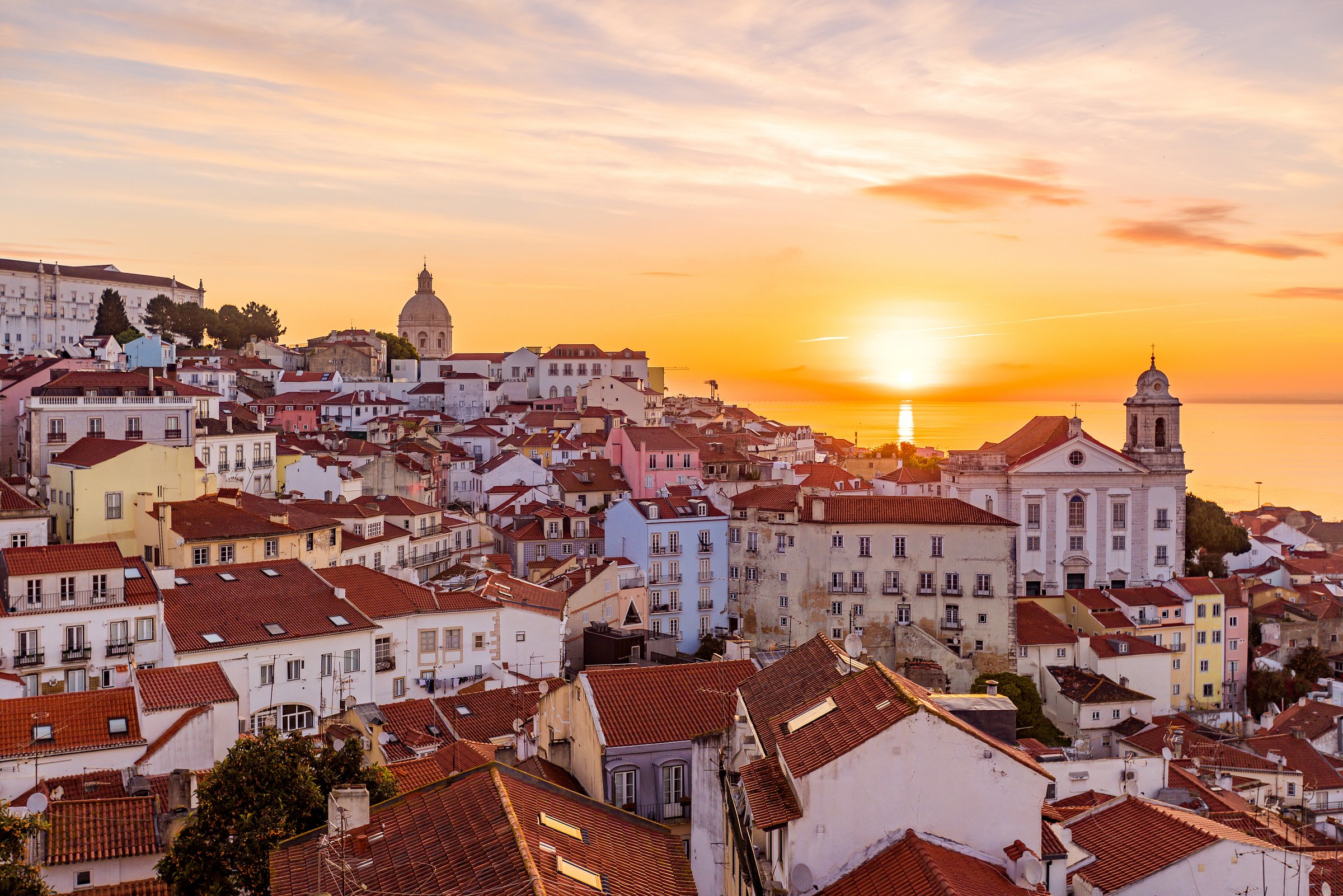
Alfama, the oldest neighborhood in Lisbon, largely survived the 1755 earthquake and still has the feel of a medieval village, with narrow alleys, hidden courtyards, and laundry hanging between buildings overhead. It is also the traditional home of fado, Portugal's melancholic style of folk music, and spending an evening in a small fado house listening to a live performance is one of the most memorable things to do in the city. São Jorge Castle sits above Alfama and offers some of the best panoramic views over Lisbon's rooftops and the river beyond.
Belém, a district a bit further from the center, is where many of Lisbon's Age of Discovery landmarks are found, including the Belém Tower, a fortified tower built in the early 1500s to guard the harbor, and the Jerónimos Monastery, an enormous and beautifully detailed building funded partly by the spice trade that Portuguese explorers helped establish. Belém is also home to the original Pastéis de Belém bakery, which has been making Portugal's famous custard tarts using a secret recipe since 1837, and trying one warm, straight from the bakery, is considered close to essential by most visitors.
The city's trams are practically a landmark in themselves, and Tram 28 in particular winds through some of the hilliest and most scenic parts of the city, passing through Alfama, Graça, and the Baixa district. It gets very crowded, especially in peak season, but it remains one of the most charming and affordable ways to see a good cross-section of Lisbon. For a quieter view, the miradouros, or viewpoints, scattered across the hills offer some of the best sunset spots in the city, often with a small kiosk selling drinks nearby.
Eat like a local
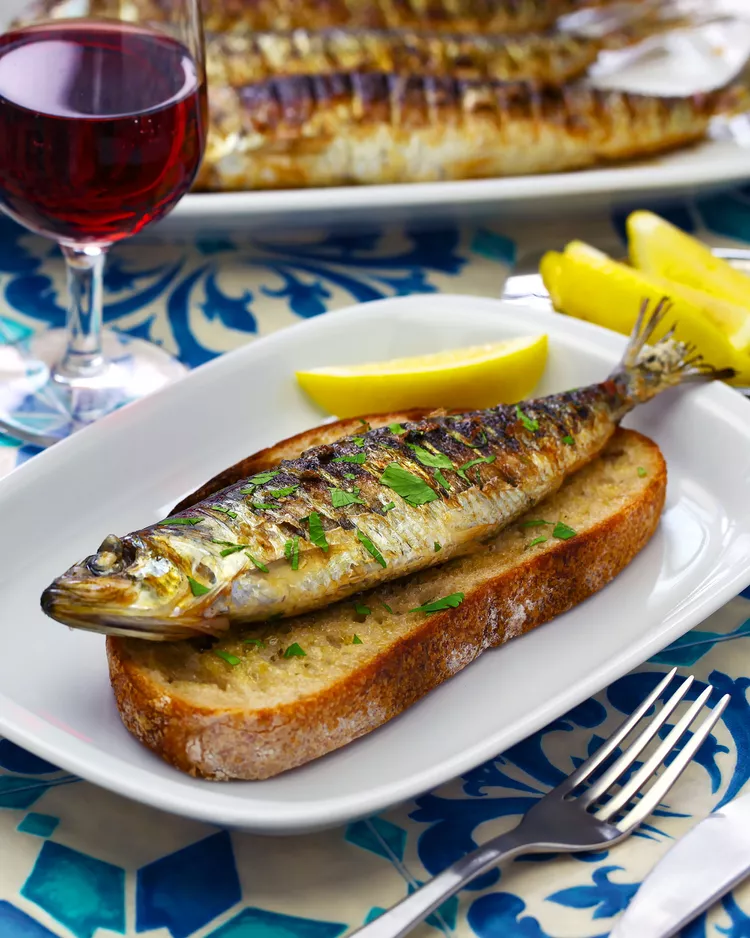
Portuguese food centers heavily around fresh seafood, given the country's long coastline, and grilled sardines are something of a Lisbon specialty, especially during the Santo António festival in June, when the whole city seems to smell of them. Bacalhau, or salted cod, is another national staple, said to be prepared in hundreds of different traditional ways across the country.
Traveler's cheat sheet
Lisbon's hills and cobblestone streets are best tackled on foot where possible, supplemented by the city's trams, funiculars, and metro system for the steeper or longer stretches. The famous Elevador de Santa Justa, a striking iron lift from 1902, is a fun if slightly touristy way to skip one particularly steep climb near the Baixa district.
Spring and early autumn tend to offer the most comfortable weather for exploring, with warm but not overwhelming temperatures, while summer can get quite hot and busy with visitors. Winters in Lisbon are notably mild compared to much of the rest of Europe, which makes it a popular choice for a sunny getaway even in the colder months elsewhere.
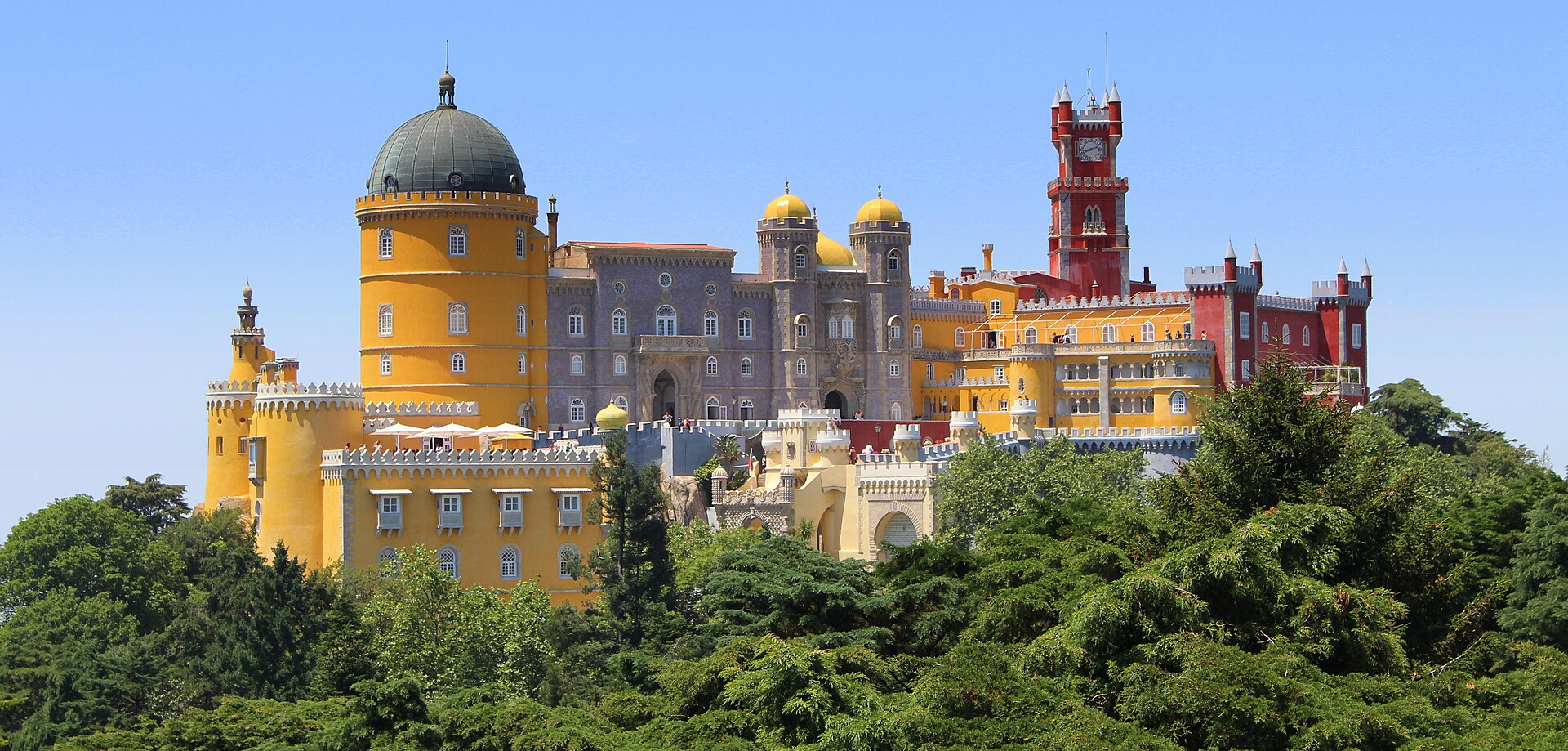
Sintra, a fairy-tale town in the hills about forty minutes from Lisbon by train, is one of the most popular day trips from the city, home to colorful palaces like the Pena Palace and the mysterious Quinta da Regaleira, with its underground tunnels and spiral well. Along the coast, the town of Cascais offers a relaxed seaside alternative, easily combined with a stop at Cabo da Roca, the westernmost point of mainland Europe, where dramatic cliffs meet the Atlantic Ocean.
As part of the eurozone, Portugal uses the euro, and tipping is fairly modest by international standards, with rounding up the bill or leaving around 5 to 10 percent considered generous rather than expected. Portuguese is the local language, though English is widely understood in tourist areas, particularly among younger residents working in hospitality.
Lisbon's hills mean comfortable shoes are essential, but the effort of climbing them is almost always rewarded with a great view or a charming little street at the top. It is a city that mixes history, food, and music into a fairly relaxed pace of life, which is part of why so many visitors find themselves already planning a return trip before they have even left.