London
Two thousand years of history, one very famous clock tower.
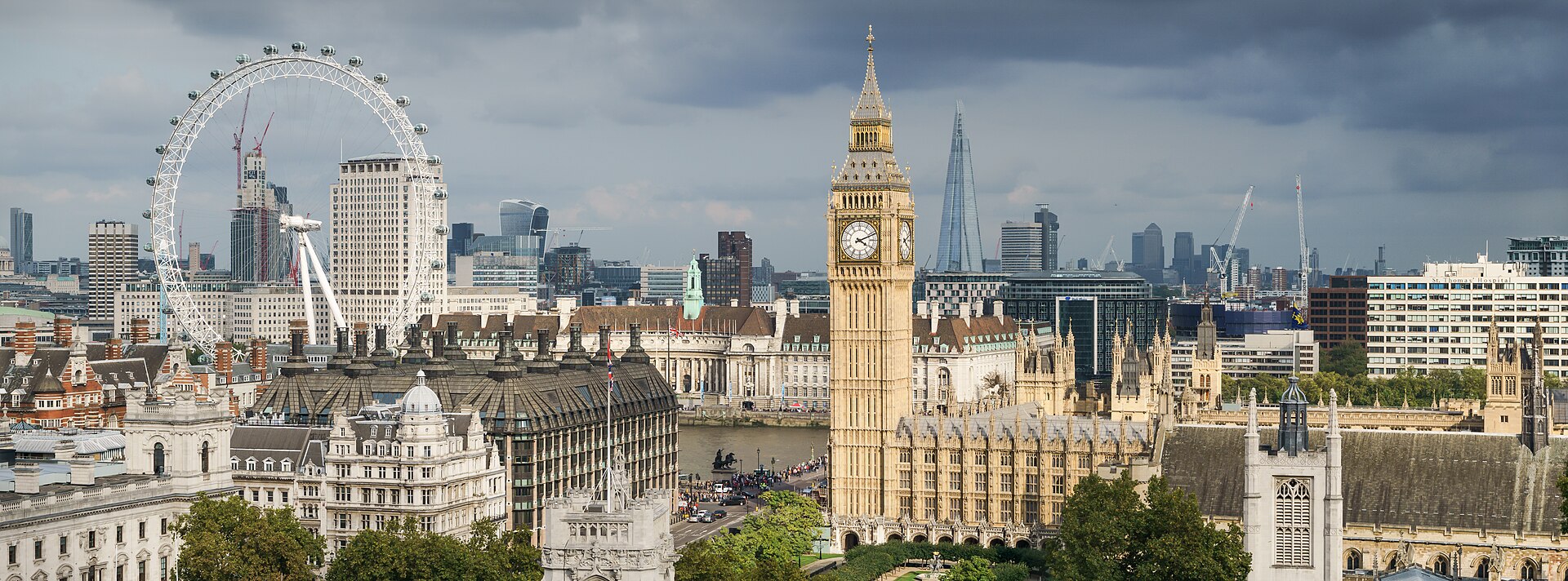
London is the capital of the United Kingdom and one of the oldest continuously inhabited cities in the world, with a history stretching back nearly two thousand years. It sits on the River Thames, which has shaped the city's growth and layout since the very beginning. Today London is home to more than nine million people, making it one of the largest cities in Europe, and it remains a global center for finance, culture, and politics. For visitors, it offers an unusual mix: centuries-old buildings and traditions sitting comfortably alongside modern skyscrapers and one of the most diverse populations of any city on earth.
A bit of backstory
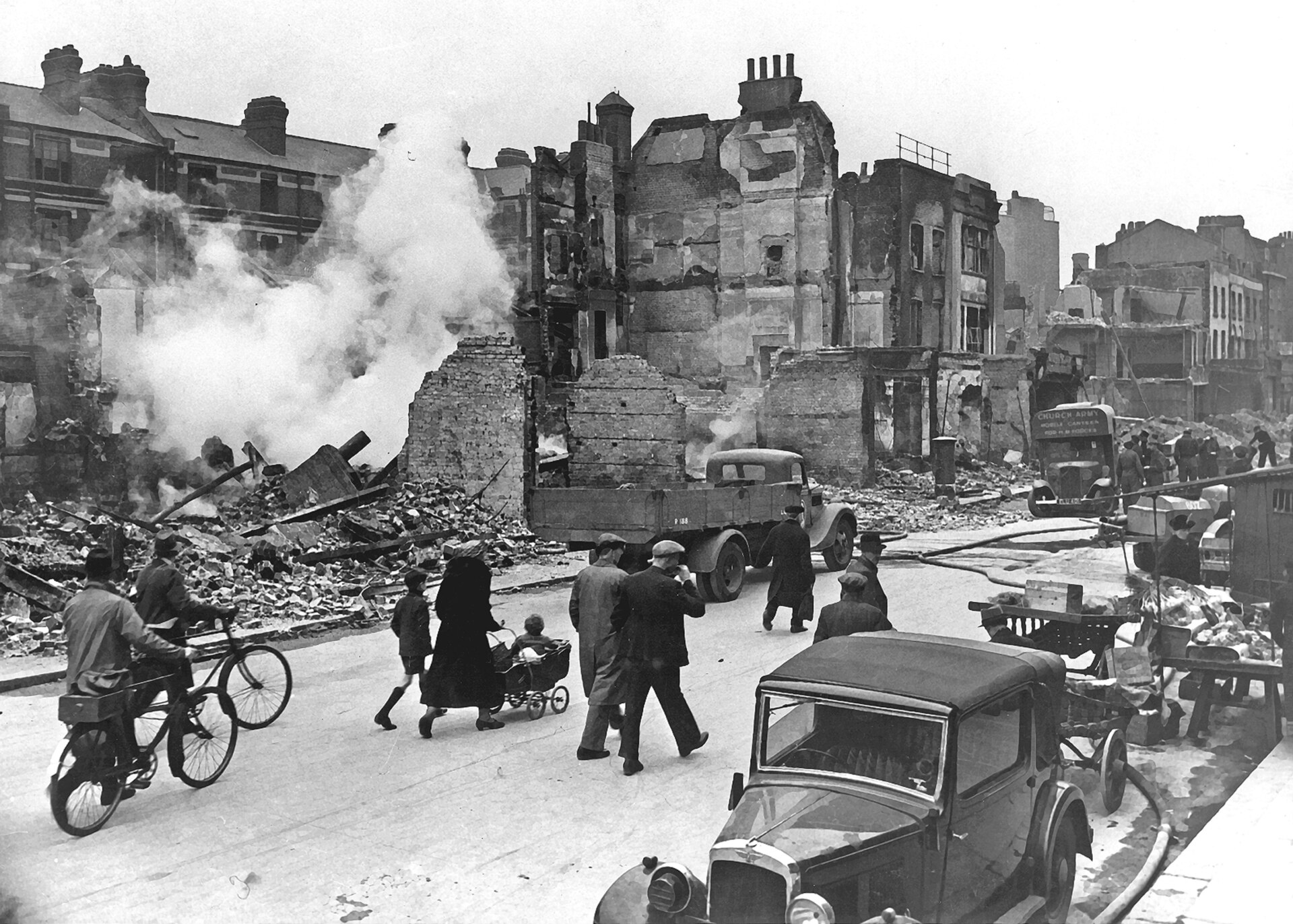
The city was founded by the Romans around 43 AD, who named it Londinium and built it as a trading port on the Thames. After the Romans left Britain in the 5th century, the settlement declined for a while before growing again under Anglo-Saxon and later Norman rule. The Tower of London, one of the city's most famous landmarks, was built starting in 1078 under William the Conqueror, and it has served as a royal palace, a prison, and a treasury over the centuries. London has survived plagues, the Great Fire of 1666, which destroyed most of the medieval city, and heavy bombing during the Second World War, rebuilding itself each time.
A fact that often surprises visitors is that Big Ben is technically not the name of the clock tower at all, but the name of the huge bell inside it; the tower itself is officially called the Elizabeth Tower. Another interesting detail is that the London Underground, known locally as the Tube, opened in 1863 and was the first underground railway system in the world, decades before any other city built one. The city is also home to more than 170 museums, many of which, including the British Museum and the National Gallery, are free to enter, a policy that dates back to a decision in the early 2000s to keep major national collections accessible to everyone.
Don't miss these
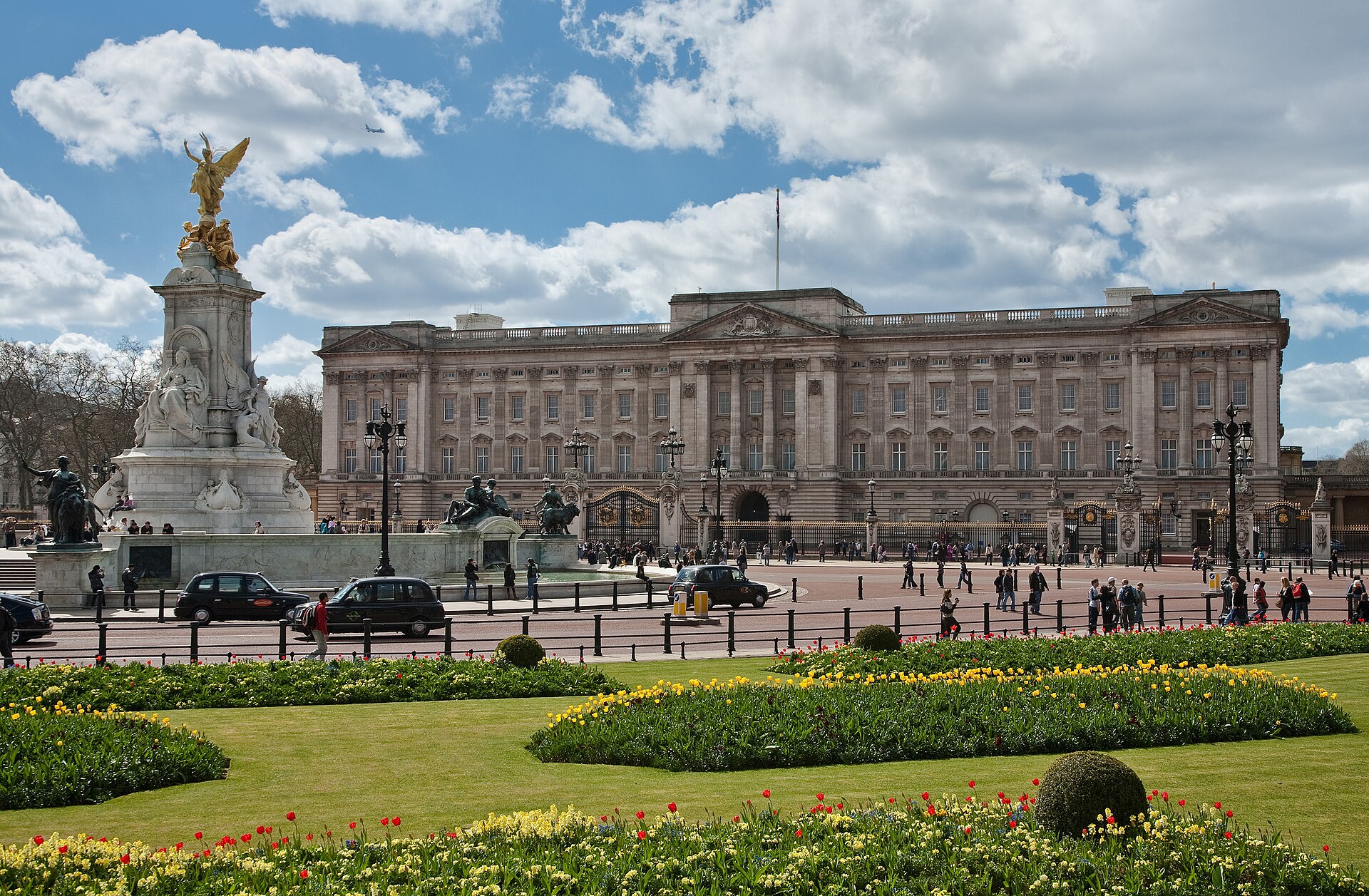
Central London is fairly compact and walkable, which makes it easy to combine several major sights in a single day. Westminster is a natural starting point, home to the Houses of Parliament, Big Ben, and Westminster Abbey, where British monarchs have been crowned since 1066. Buckingham Palace, the monarch's official residence, is a short walk away, and the Changing of the Guard ceremony there remains a popular tradition to watch, though it is worth checking the schedule in advance since it does not happen every single day.
The British Museum holds an enormous collection of world history and culture, including the Rosetta Stone and the Parthenon sculptures, and like most major London museums, entry is free, though special exhibitions sometimes charge a fee. The Tower of London, home to the Crown Jewels, is one of the few major sights that does charge admission, but it is generally considered well worth it, especially with the famous Beefeater guides who bring the building's long and often dark history to life.
For a change of pace, the South Bank of the Thames offers a pleasant riverside walk past the London Eye, a giant observation wheel that opened in 2000 and offers sweeping views over the city, and continuing on to the reconstructed Shakespeare's Globe theatre and the Tate Modern art gallery, housed in a converted power station. Camden Market and Borough Market are both excellent for soaking up local atmosphere, with Borough Market in particular being one of the best spots in the city for fresh food and a quick bite.
Eat like a local

London's food scene has changed enormously over the past few decades and now reflects the city's huge diversity, with excellent options for Indian, Chinese, Caribbean, and Middle Eastern food alongside traditional British classics like fish and chips and a proper Sunday roast. A traditional afternoon tea, with sandwiches, scones, and a pot of tea, is also worth experiencing at least once, whether at a grand hotel or a more casual local tea room.
Traveler's cheat sheet
The Underground is the easiest way to get around London, with an extensive network covering the whole city, and a contactless card or the Oyster card system makes paying for fares simple without needing to buy individual tickets. Walking is also a great option in central areas, since many major sights are closer together than the map might suggest, especially around Westminster and the South Bank.
London can be visited comfortably at almost any time of year, though late spring through early autumn, from May to September, tends to offer the most reliable weather for outdoor sightseeing. Winter has its own charm too, particularly in December when the city's shop windows and Christmas lights are worth seeing, even if the days are shorter and rain is more frequent.
For visitors with an extra day, several worthwhile trips are possible outside the city itself, including Windsor Castle, the oldest and largest occupied castle in the world and still an official royal residence, about an hour away by train. Greenwich, in the southeast of London, is easier to combine with a normal day in the city, and it is home to the Royal Observatory, where the Prime Meridian, the line marking zero degrees longitude, runs directly through the courtyard, letting visitors stand with one foot in each hemisphere.
The currency in London is the British pound, distinct from the euro used across most of continental Europe, so it is worth planning ahead for currency exchange. Tipping is more modest than in the United States, with around 10 to 12.5 percent appreciated at restaurants, though it is often already included in the bill as a service charge, worth checking before adding extra.
The city's weather is famously unpredictable, so an umbrella is always worth packing regardless of the season. With its extensive Underground network and generally walkable center, London is an easy city to explore even on a first visit, and with so much history layered into every neighborhood, there is always something new to notice, even on a return trip.