Los Angeles
Where the movies get made and the sun rarely stops shining.
Los Angeles is a sprawling city on the Southern California coast, and sprawling is really the right word. Unlike compact cities such as New York, LA spreads out across a huge area, made up of dozens of distinct neighborhoods, each with its own identity, connected mostly by an extensive network of freeways. It is the second-largest city in the United States by population, and it is best known worldwide as the home of Hollywood and the American film industry, though there is a lot more to it than movie studios, including beaches, mountains, and a genuinely diverse food scene shaped by the many cultures that call the city home.
A bit of backstory
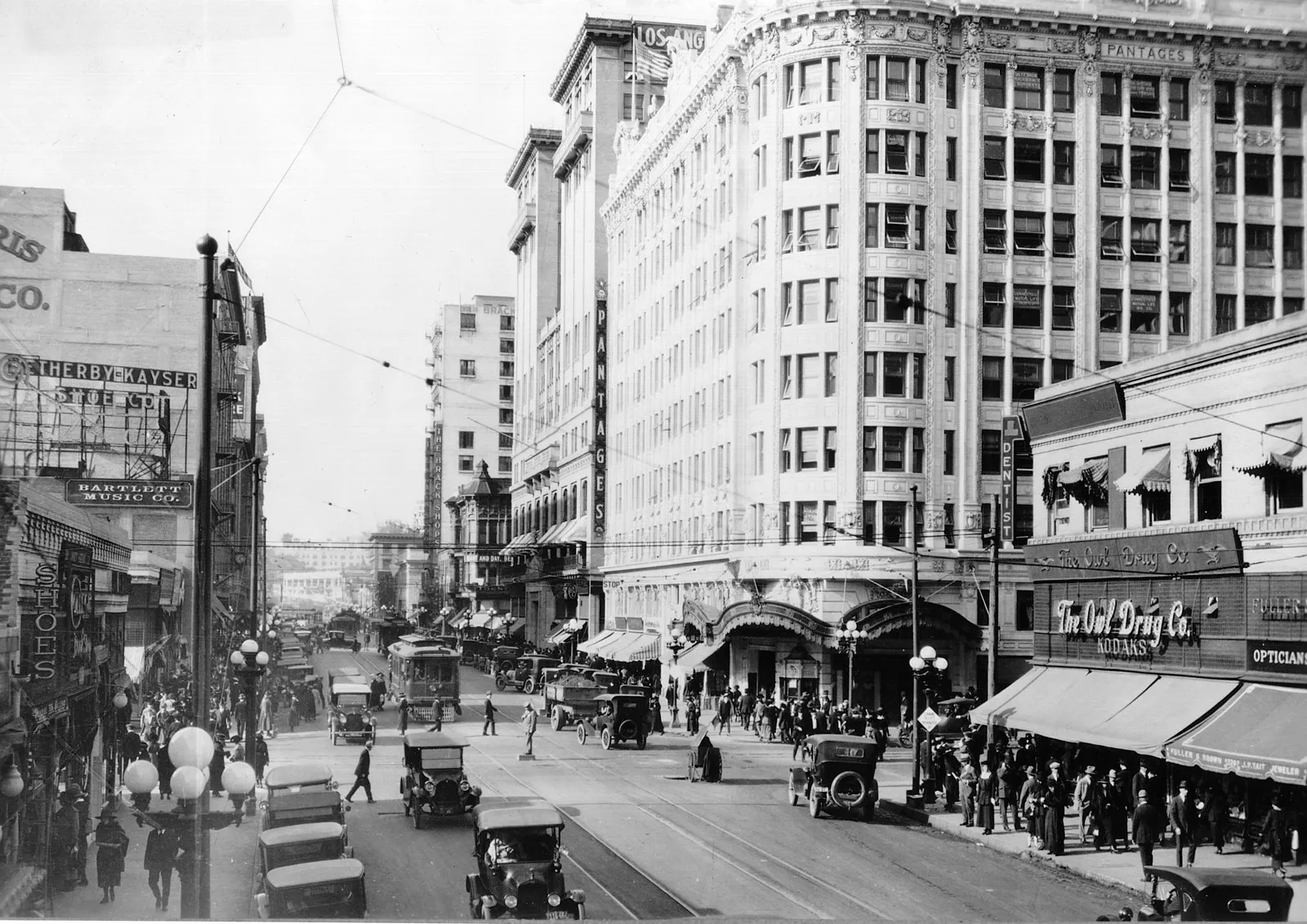
The city was founded by Spanish settlers in 1781 under the name El Pueblo de Nuestra Señora la Reina de los Ángeles, a name that has since been shortened considerably. It became part of Mexico after independence from Spain, and then part of the United States following the Mexican-American War in the late 1840s. For much of the 1800s it remained a fairly small town, but that changed quickly with the arrival of the railroad and, more importantly, the film industry, which began moving from the East Coast to Los Angeles in the early 1900s, partly because of the reliable sunshine and varied scenery nearby, perfect for filming.
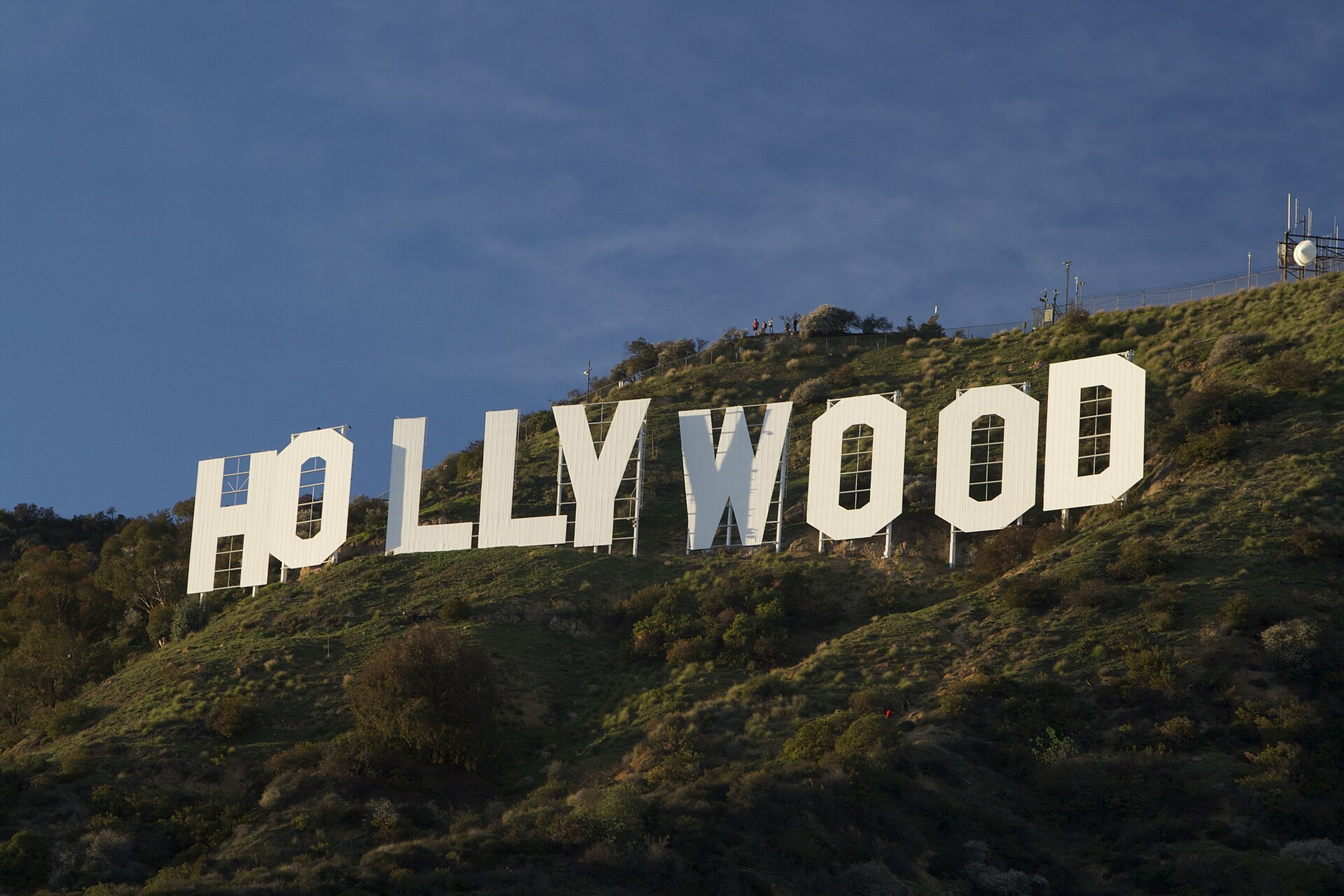
One fact that surprises many visitors is that the famous Hollywood sign was not originally built to promote the film industry at all. It was put up in 1923 as an advertisement for a real estate development called Hollywoodland, and the last four letters were only removed in 1949 once the sign had become a local landmark in its own right. Another interesting detail is that LA's public transit system was once one of the largest in the world, a network of streetcars called the Pacific Electric Railway, before it was dismantled in the mid-1900s in favor of the freeways the city is now known for.
Don't miss these
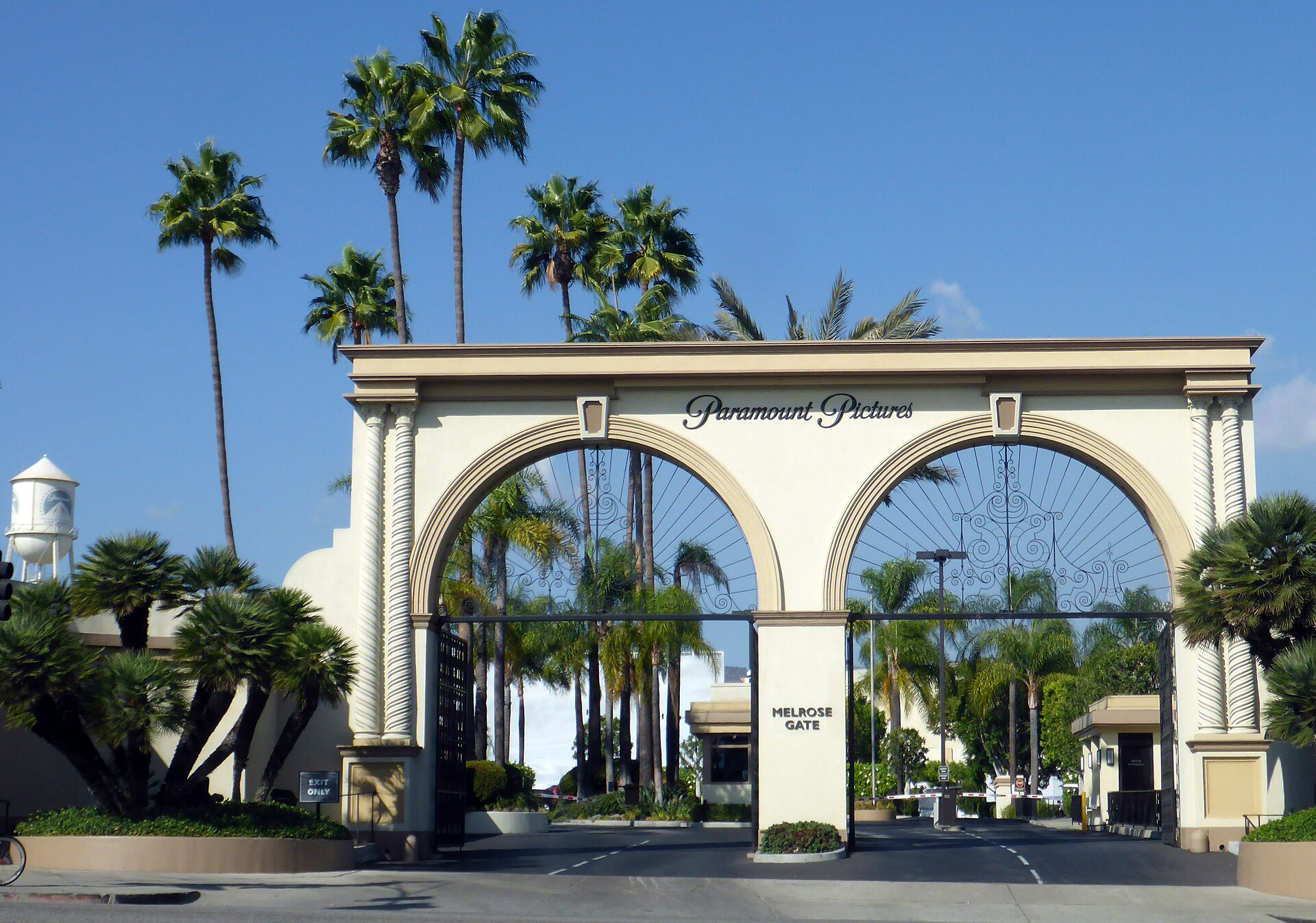
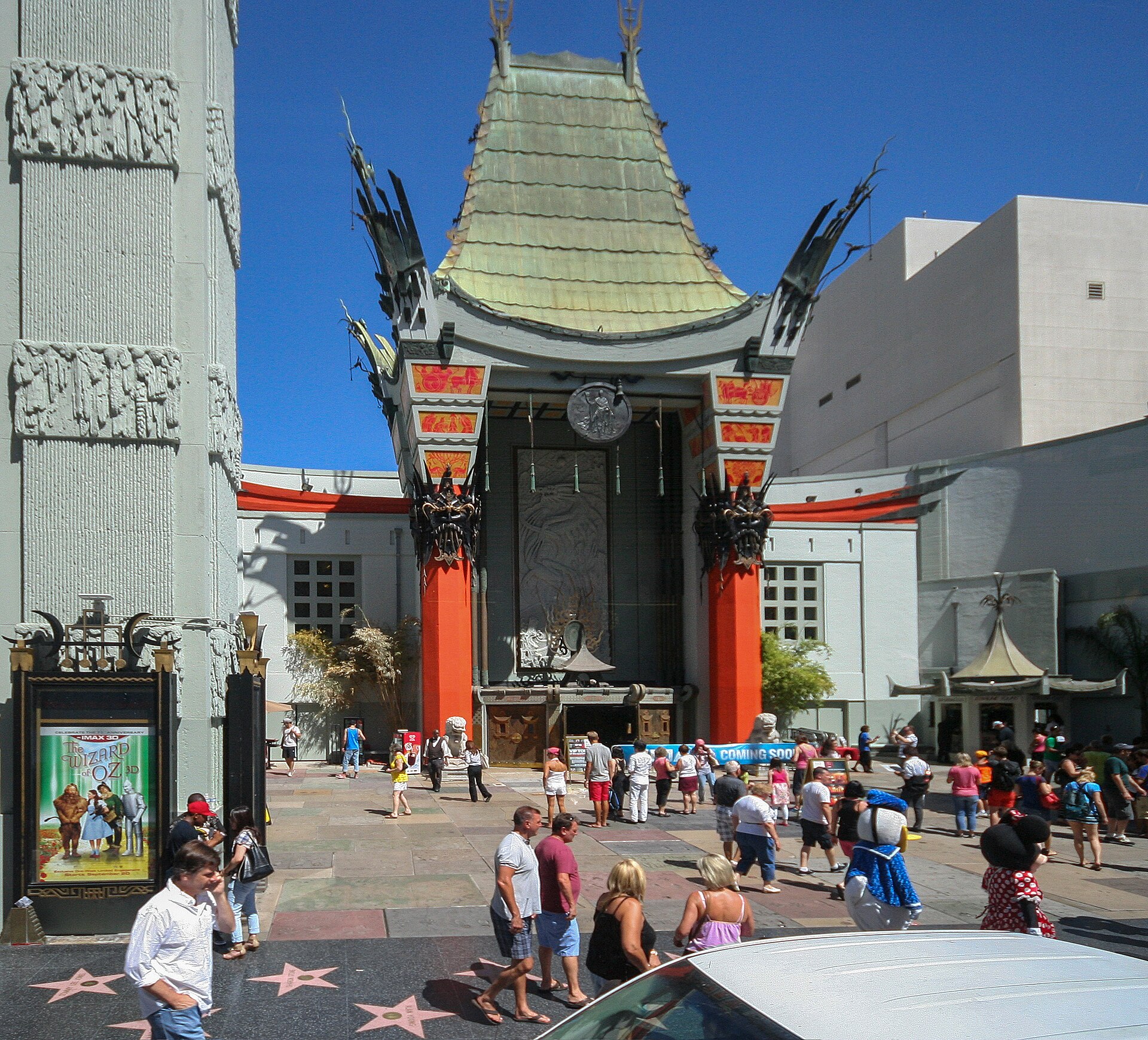
Hollywood itself remains a major draw, even though most active film studios have since moved to other parts of the city. The Walk of Fame stretches along Hollywood Boulevard, with more than 2,700 stars honoring actors, musicians, and other entertainers. The TCL Chinese Theatre nearby is famous for the handprints and footprints of stars set in concrete outside its entrance. For a broader view of the city, the Griffith Observatory sits in the hills above Hollywood and offers one of the best free views of the LA skyline, especially at sunset.
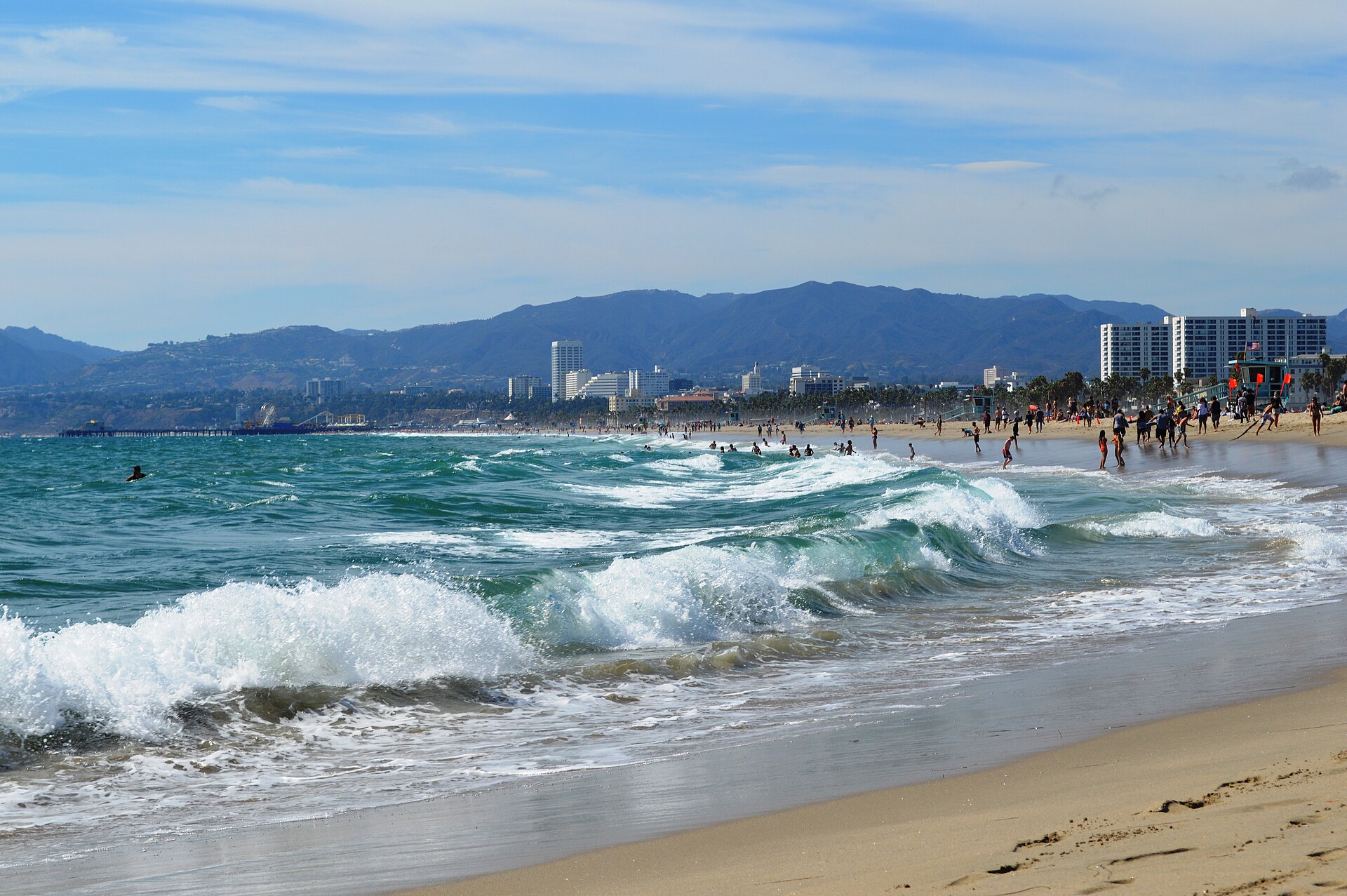
The beaches are another huge part of the city's identity. Santa Monica has a classic pier with an amusement park built right on it, while Venice Beach nearby is known for its boardwalk, street performers, and outdoor gym where bodybuilders have trained since the 1930s. Malibu, further up the coast, offers a quieter, more upscale beach experience with dramatic cliffside views. Each beach town has a slightly different personality, so it is worth visiting more than one if time allows.
Museums and gardens round out the picture nicely. The Getty Center, perched on a hilltop with sweeping views, is free to enter and holds an excellent art collection, while the Los Angeles County Museum of Art, known as LACMA, is famous partly for the Urban Light installation out front, a striking arrangement of over 200 restored antique street lamps that has become one of the most photographed spots in the city.
Eat like a local

Food in LA reflects just how many cultures have shaped the city, from Koreatown's barbecue restaurants to the taco stands scattered across nearly every neighborhood, a legacy of the city's deep Mexican roots. Farmers markets are also a big part of local life, and the Original Farmers Market near The Grove is a good spot to sample a wide range of food stalls in one place.
Traveler's cheat sheet
As mentioned, a car is genuinely useful in Los Angeles given how spread out the city is, and traffic is a well-known local challenge, so it is worth building extra time into any plans that involve crossing from one side of the city to the other. Rideshare apps are widely used and can be a good alternative if you would rather not deal with driving and parking yourself.
The weather is mild for most of the year, which is part of the city's appeal, but late spring can bring a phenomenon locals call June Gloom, with overcast mornings near the coast that usually clear by afternoon. September and October tend to offer some of the warmest, sunniest days of the year, making them a favorite time to visit for many.
Runyon Canyon, a popular hiking spot right in the middle of the city, is worth knowing about for anyone wanting a bit of exercise and a good view without leaving LA proper, and it is a favorite with locals for exactly that reason. For something further afield, Catalina Island, about an hour by ferry from the mainland, offers a quieter, almost Mediterranean-feeling escape from the city, with clear water, small shops, and a noticeably slower pace than the mainland just across the water.
As throughout the United States, the currency is the US dollar and tipping of 18 to 20 percent is standard at restaurants. Given the size of the city, it is worth budgeting extra time for travel between neighborhoods, and rideshare pricing can vary significantly depending on traffic and demand, so checking fares in advance is a sensible habit.
Because Los Angeles is so spread out, renting a car or planning around rideshares tends to make a visit much easier than relying on public transport alone. It is a city that rewards a bit of planning, since the best beach, the best hike, and the best taco stand are rarely all in the same neighborhood, but with a little effort it is easy to see why so many people fall for it.