Miami
Sunshine, pastel buildings, and a Latin beat all its own.
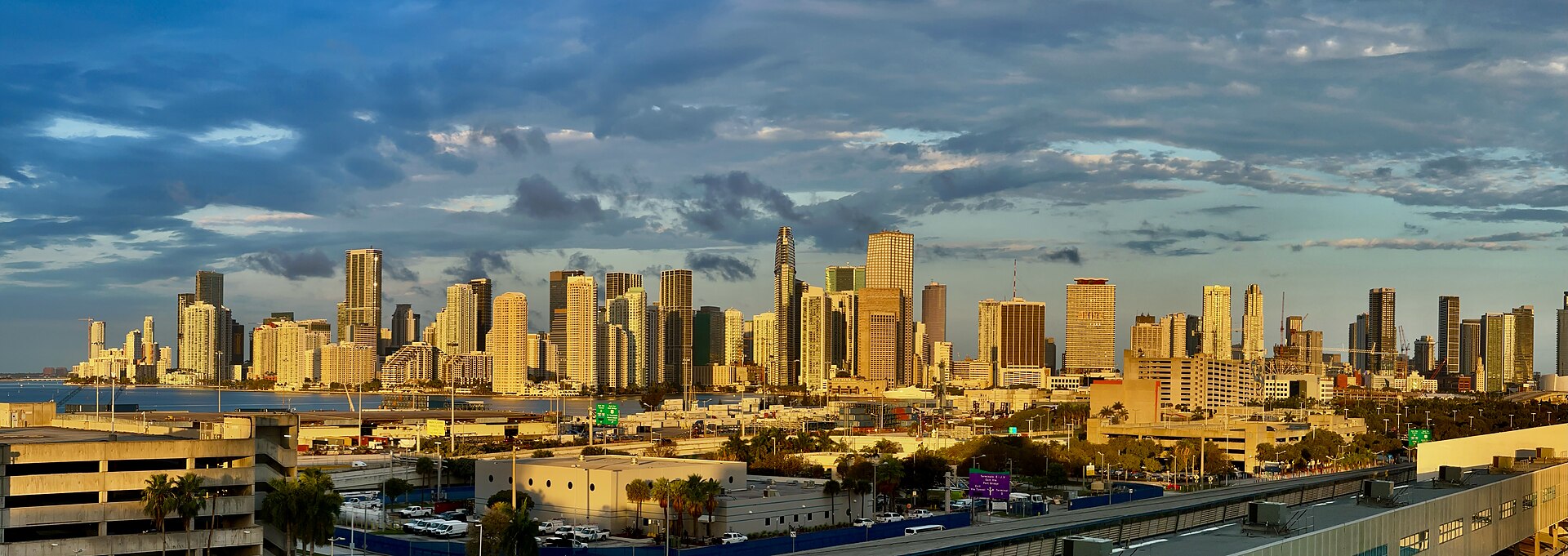
Miami sits on the southeastern tip of Florida, right where the United States meets the Caribbean in spirit as much as geography. It has warm weather nearly all year round, wide sandy beaches, and a culture shaped heavily by immigration from Cuba, Haiti, and across Latin America. Spanish is spoken almost as often as English in many parts of the city, and that blend of cultures shows up in the food, the music, and the general rhythm of daily life. Miami is a fairly young city by American standards, only officially founded in 1896, but it has grown quickly into one of the most visited destinations in the country.
A bit of backstory
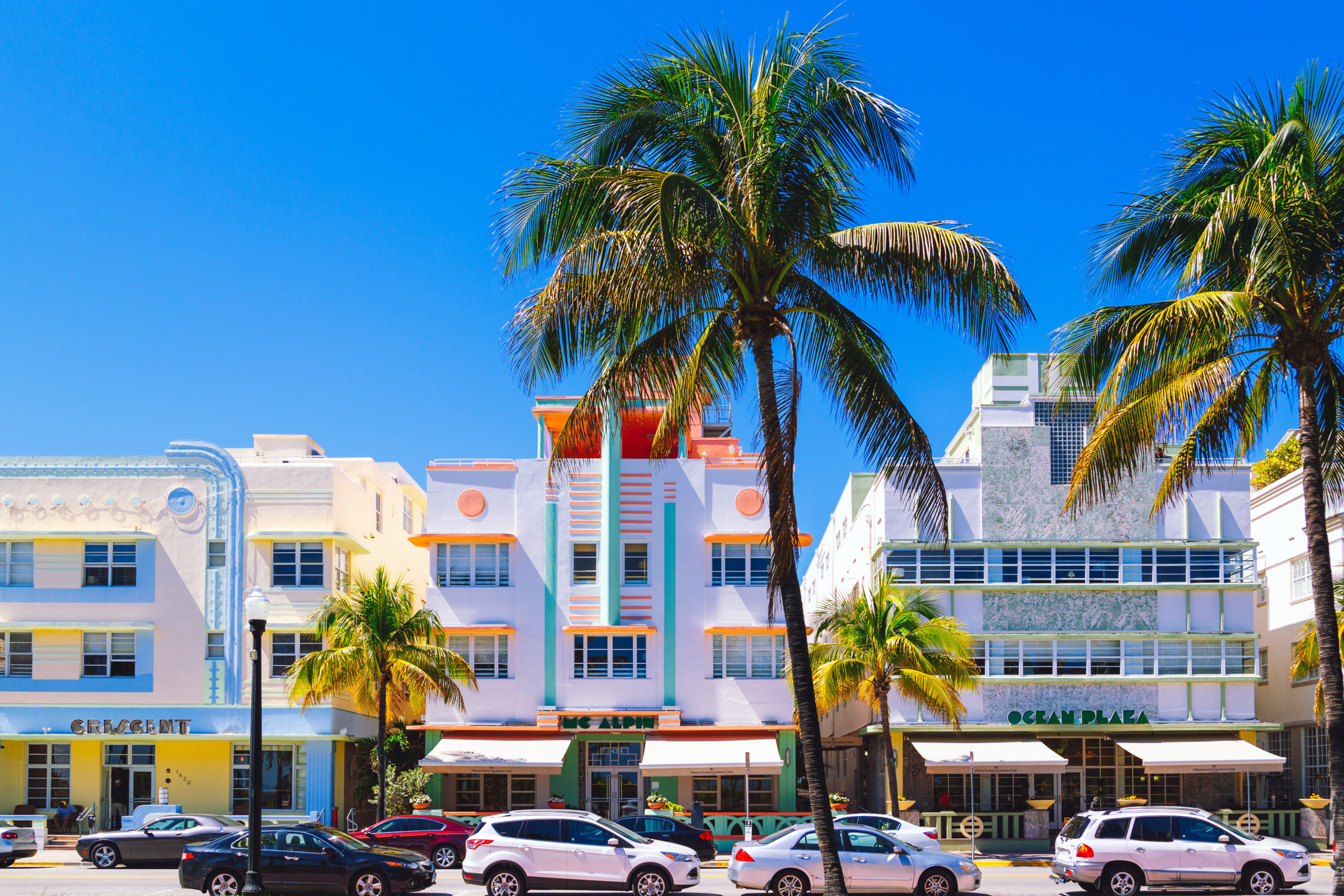
Before it was a city, the area was home to the Tequesta people for thousands of years. Spanish explorers arrived in the 1500s, but it took until the late 1800s for Miami to really take shape, largely thanks to Julia Tuttle, a landowner who convinced railroad tycoon Henry Flagler to extend his railway south. Flagler agreed, and the arrival of the railroad in 1896 is generally seen as the true start of Miami as a city. Growth was slow at first, but the 1920s brought a land boom, and later the Art Deco building style that Miami Beach is now famous for was introduced by architects in the 1930s.
One of the more surprising facts about Miami is that it has the largest concentration of Art Deco architecture anywhere in the world, with more than 800 buildings in the Miami Beach Architectural District alone. Another interesting detail is that Miami is sometimes called the Capital of Latin America, not because of any official title but because so many businesses and banks use it as their base for operations across the region. The city is also unusually low-lying, with much of it just a few feet above sea level, which is part of why rising sea levels are such a serious topic of discussion for local planners today.
Don't miss these
South Beach is the neighborhood most visitors picture when they think of Miami, and it lives up to the postcard image, with its pastel-colored Art Deco hotels along Ocean Drive and a long stretch of beach right across the street. Walking along Ocean Drive in the early evening, when the building facades light up in neon, is one of the more memorable things to do in the city. Lincoln Road, a few blocks over, is a pedestrian-only shopping street that is worth a stroll even if you are not planning to buy anything.
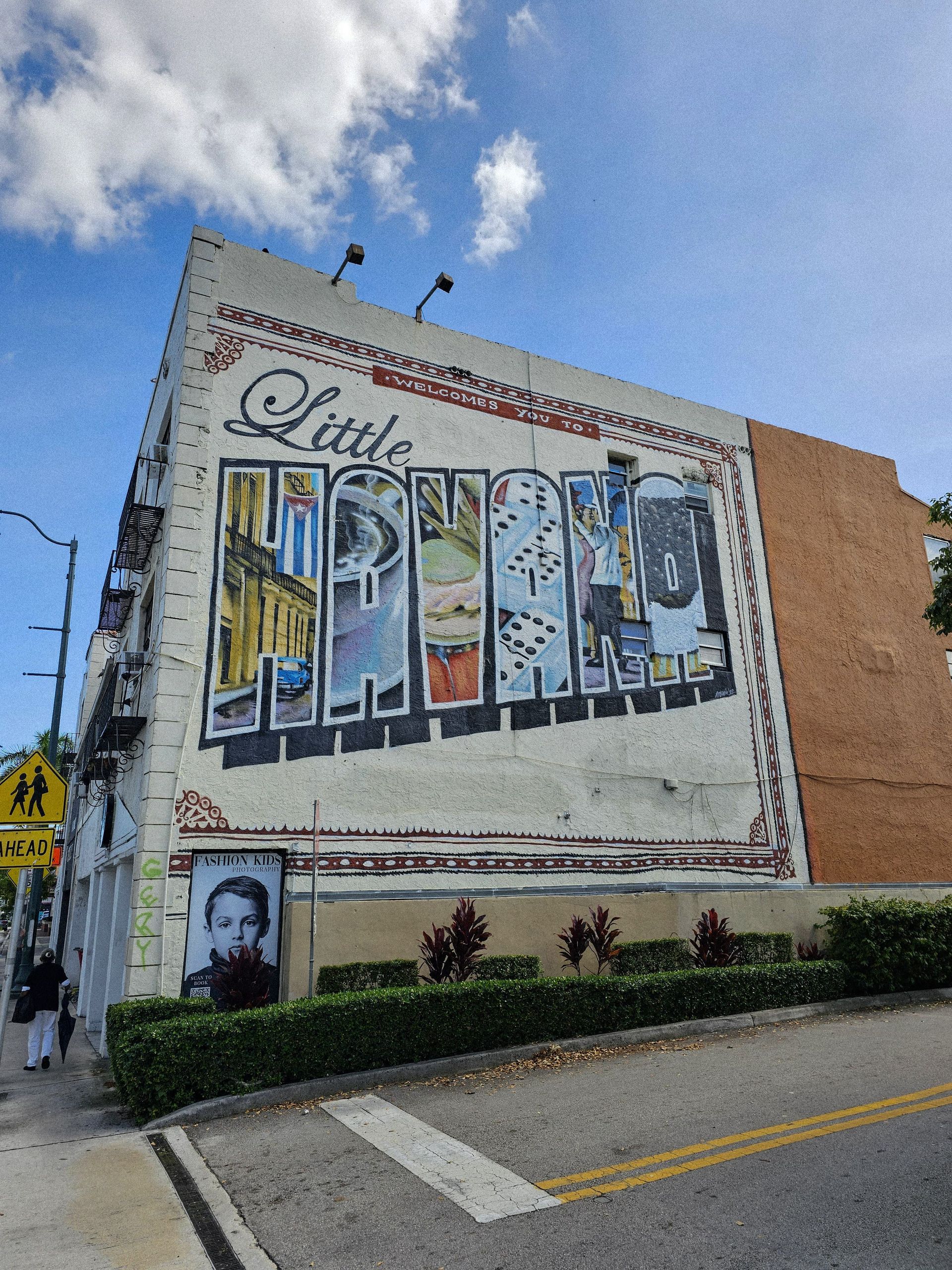
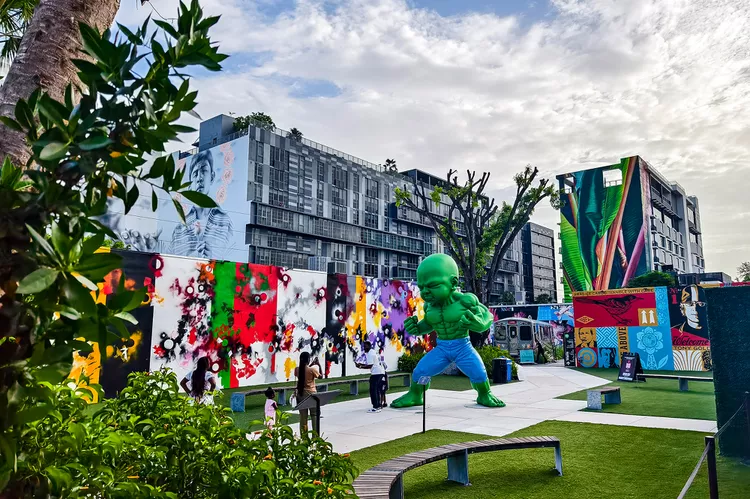
For a different side of the city, Little Havana is the neighborhood to visit. Calle Ocho, its main street, is lined with Cuban coffee windows, cigar shops, and murals celebrating Cuban culture, and it is one of the best places to get a real feel for Miami's Cuban-American community. Wynwood is another neighborhood worth seeking out, known for the Wynwood Walls, an outdoor collection of large-scale street art created by artists from around the world, spread across what used to be a fairly industrial area.
If you want to get out on the water, Biscayne Bay offers boat tours that pass by the mansions of Millionaire's Row, and further south, Everglades National Park is within reach for a day trip, offering airboat rides through a completely different kind of Florida landscape, full of mangroves, alligators, and birdlife. It is a good reminder that Miami is not just beaches and nightlife, but also sits right at the edge of a very unique natural environment.
Eat like a local

Food in Miami leans heavily Cuban and Caribbean, and dishes like a proper Cuban sandwich, black beans and rice, and strong Cuban coffee are worth trying no matter where you end up eating. Fresh seafood is also easy to find given the coastal location, and the city's late-night dining scene means it is rarely hard to find a good meal, even well after midnight.
Traveler's cheat sheet
A car or rideshare tends to be the most practical way to get around Miami, since the city is quite spread out and public transit coverage is limited compared to older East Coast cities. That said, South Beach itself is very walkable once you are there, and a water taxi or bike rental can be a fun way to explore the waterfront areas without needing a car at all.
The most comfortable months to visit are between November and April, when humidity is lower and temperatures are warm but not overwhelming. Summer brings higher heat, frequent afternoon thunderstorms, and the start of hurricane season, which runs from June through November, so it is worth checking the forecast if you are planning a trip during those months.
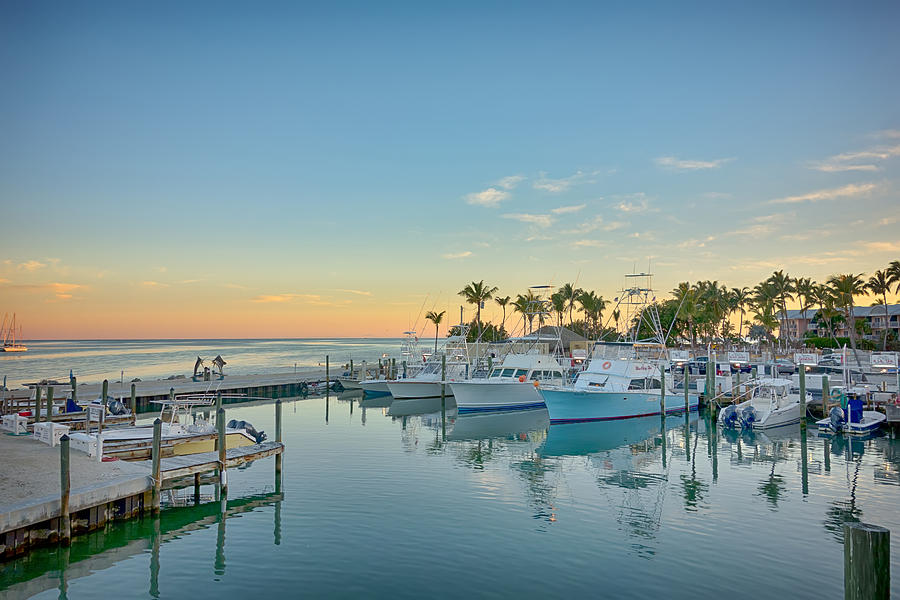
For a day trip outside the city, the Florida Keys stretch out to the south, connected by a scenic highway that crosses more than forty islands, and even just driving as far as Key Largo for the day offers a taste of the laid-back island atmosphere further down the chain. Closer to home, Coconut Grove and Coral Gables are two of Miami's older, leafier neighborhoods, offering a quieter contrast to the energy of South Beach, with Coral Gables in particular known for its Mediterranean Revival architecture and the beautiful Biltmore Hotel, a historic landmark dating back to the 1920s.
The US dollar is used throughout the city, and tipping of around 18 to 20 percent at restaurants and bars is expected practice, similar to the rest of the country. While English is the official language, Spanish is spoken just as widely in many neighborhoods, and a little familiarity with basic Spanish phrases can be genuinely useful, especially in areas like Little Havana.
Miami is best enjoyed at a relaxed pace, mixing beach time with a bit of culture and a lot of good food. The heat and humidity can be intense in summer, so many visitors prefer the cooler, drier months between November and April, when the weather is at its most pleasant and the city's outdoor spaces are easiest to enjoy.