New York City
The city that never sleeps, and never runs out of surprises.

New York City is one of those places that feels familiar before you even arrive. You have seen its yellow taxis, its tall buildings, and its bright lights in a hundred movies. But standing on a busy street corner in Manhattan for the first time is still something else entirely. The noise, the pace, and the sheer size of the place hit you all at once. New York is made up of five boroughs: Manhattan, Brooklyn, Queens, the Bronx, and Staten Island, and each one has its own character. Most first-time visitors spend the bulk of their time in Manhattan, where the famous skyline, the parks, and the museums are, but the other boroughs reward a little extra time too.
A bit of backstory
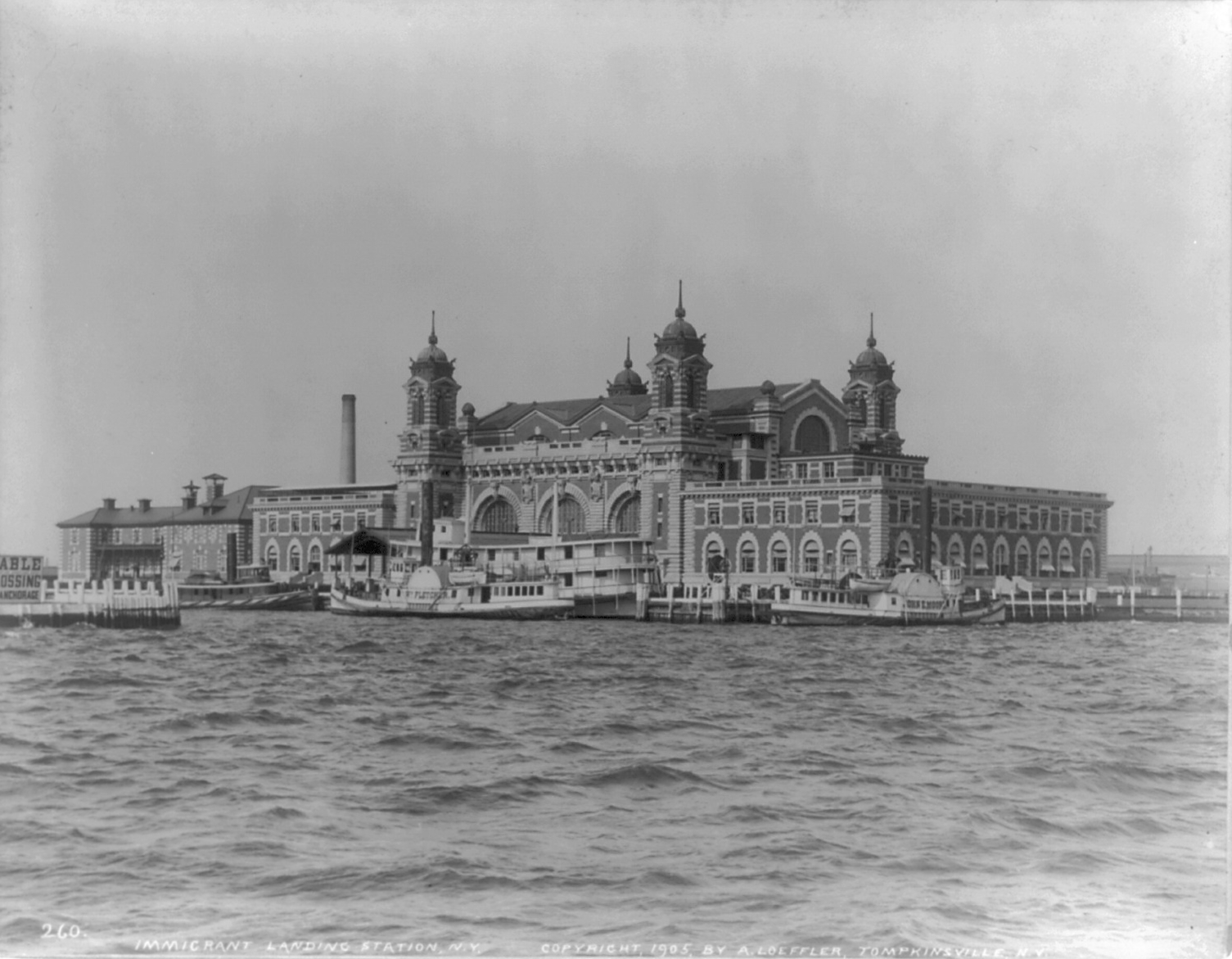
The city's story starts with the Dutch, who set up a trading post here in the early 1600s and called it New Amsterdam. The British took over in 1664 and renamed it New York, after the Duke of York. Over the next two centuries, the city grew into the main gateway for millions of immigrants arriving in America. Between 1892 and 1954, over 12 million people passed through Ellis Island, hoping for a new start. Many of their descendants are New Yorkers today, and that mix of cultures is still one of the things that makes the city so lively. By the early 1900s, New York had become the financial and cultural capital of the United States, a title it still holds.
One fact that surprises a lot of visitors is that Manhattan was bought from the local Lenape people in 1626 for goods worth about 60 guilders, a story that has been retold and exaggerated many times over the years. Another fun detail is that the Statue of Liberty was a gift from France in 1886, built to celebrate the friendship between the two countries and the idea of freedom itself. And even though skyscrapers are what New York is known for today, the Empire State Building was the tallest building in the world for nearly 40 years after it opened in 1931, a record that seems almost impossible to imagine now given how the skyline has grown since.
Don't miss these
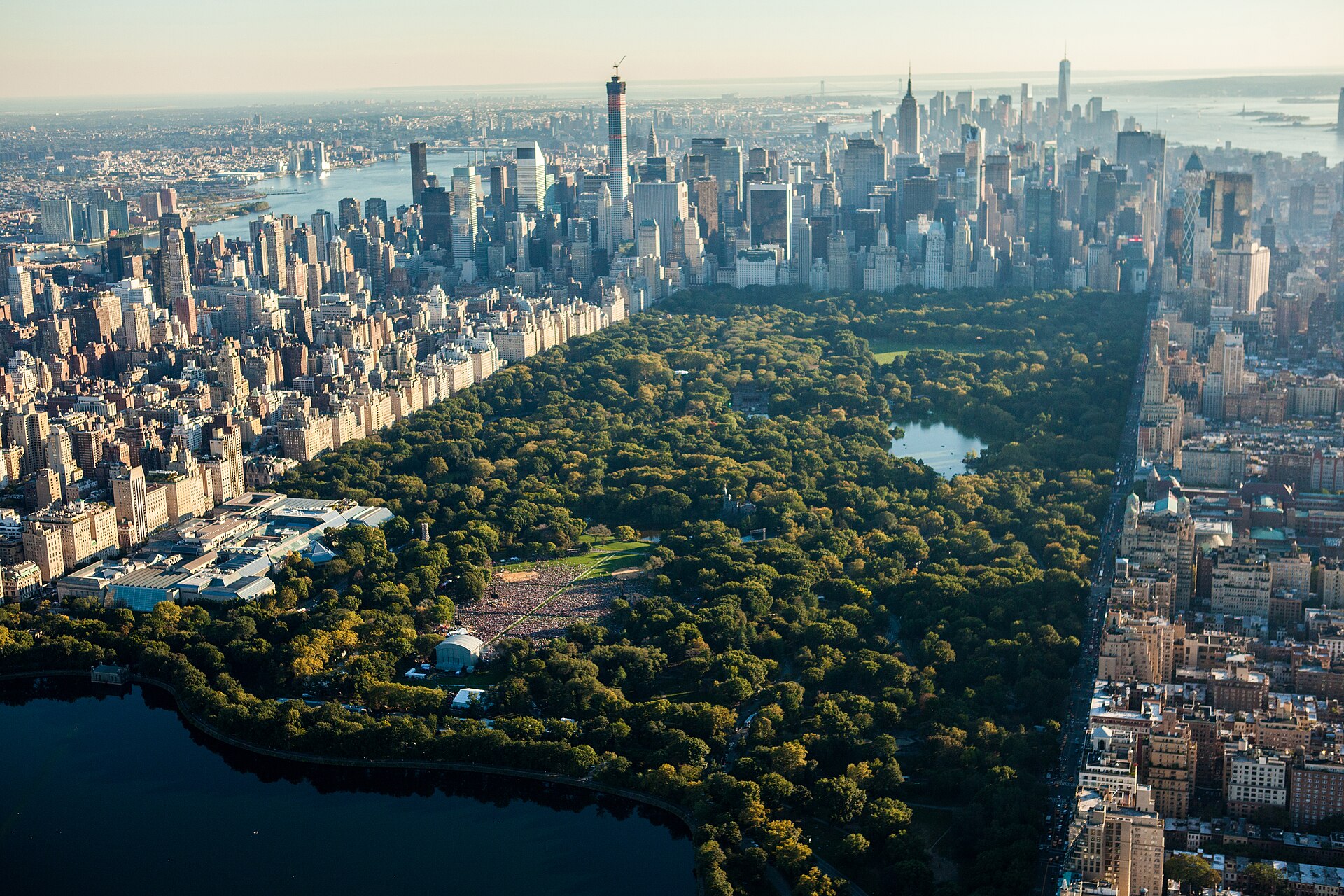
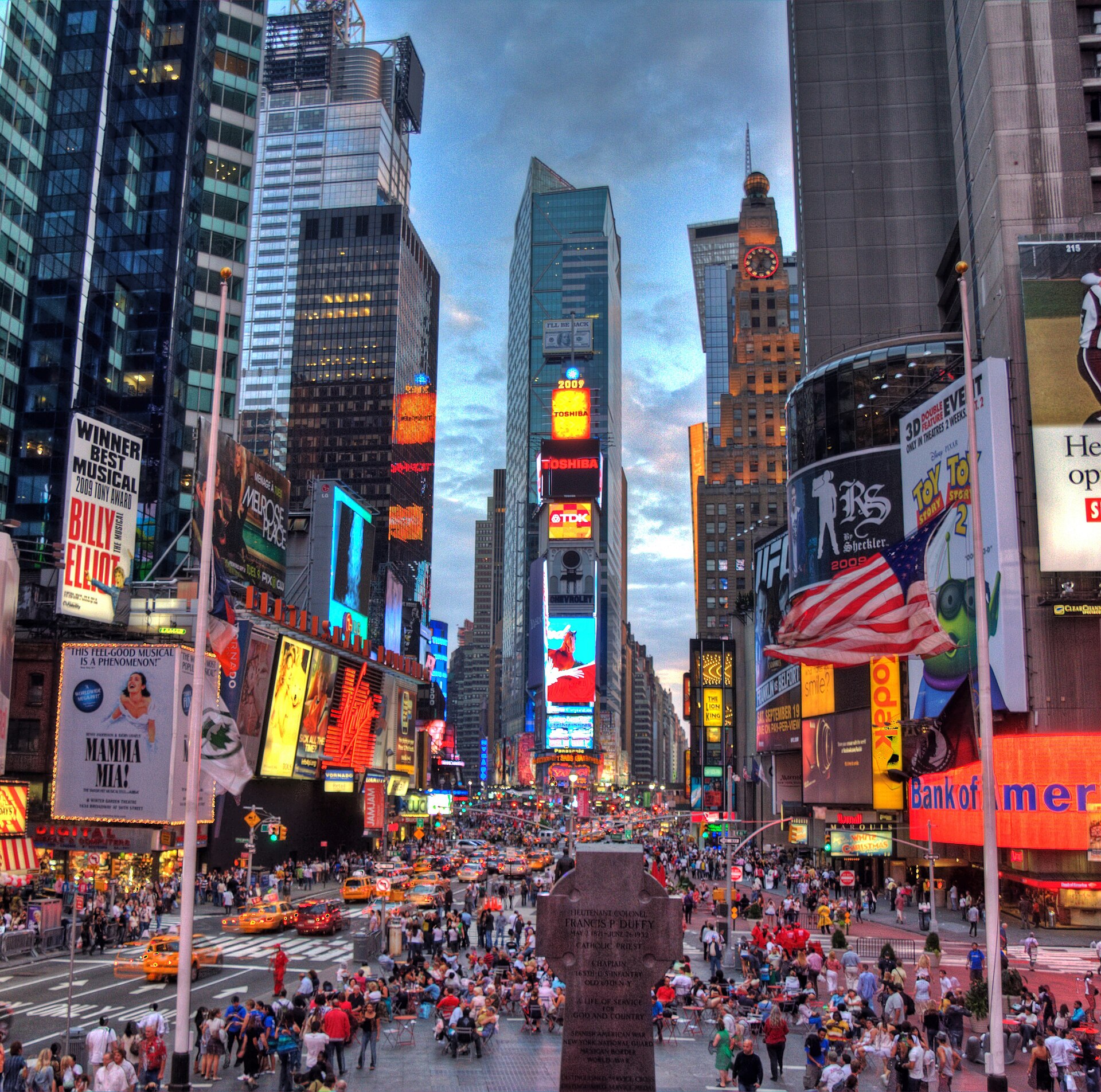
Central Park is a good place to start any visit. It covers over 340 hectares right in the middle of Manhattan, with lakes, walking paths, and quiet corners that make it easy to forget you are in a huge city at all. From there, Times Square is only a short walk or subway ride away, and while it can feel overwhelming with its huge screens and crowds, it is worth seeing at least once, especially at night when the lights are at their brightest. The nearby Broadway theatres are also worth planning around, since catching a live show is one of the most memorable things you can do in the city.
Art and history lovers have plenty to choose from as well. The Metropolitan Museum of Art, often just called The Met, holds more than two million works spanning 5,000 years, and you could spend days there and still not see everything. The Museum of Modern Art, known as MoMA, is smaller but no less impressive, with pieces by Van Gogh, Picasso, and Warhol on display. For a different kind of view, the 9/11 Memorial and Museum offers a quiet, moving look at one of the most significant events in the city's recent history, built right where the Twin Towers once stood.
No trip to New York is complete without seeing it from above. The Top of the Rock at Rockefeller Center and the observation deck at the Empire State Building both give sweeping views of the skyline, and many people find the Rockefeller Center view slightly better since it includes the Empire State Building itself in the frame. Brooklyn Bridge is another must, whether you walk across it for the view of Manhattan or admire it from Brooklyn Bridge Park on the other side. The neighborhood of DUMBO, just below the bridge, has become known for its cobblestone streets and that famous photo spot looking straight up at the Manhattan Bridge.
Eat like a local

When it comes to food, New York does not do things quietly. A slice of New York-style pizza, folded in half the way locals eat it, is practically a rite of passage. Bagels are another local specialty, and a proper New York bagel with cream cheese and lox is worth seeking out. Beyond that, the city's neighborhoods offer food from nearly every country in the world, from dim sum in Chinatown to Italian classics in Little Italy, so it is easy to eat your way around the globe without leaving Manhattan.
Traveler's cheat sheet
Getting around New York is easiest by subway, which runs 24 hours a day and reaches almost every corner of the city, though it can feel confusing at first with its mix of express and local trains. A weekly MetroCard or the newer tap-to-pay option is worth getting if you are staying more than a couple of days, since fares add up quickly otherwise. Walking is also a great way to get around Manhattan specifically, since the grid layout above 14th Street makes navigation fairly simple once you get the hang of counting blocks.
The best time to visit is generally spring, from April to June, or fall, from September to November, when the weather is mild and comfortable for walking around. Summers can get hot and humid, while winters bring genuine cold and occasional snow, though the city does look beautiful decorated for the holidays in December if you do not mind bundling up.
New York rewards visitors who are happy to walk, get a little lost, and take the subway like a local. It is a city best explored on foot and by train rather than by car, and most of its famous sights are closer together than they first appear on a map. Whether it is your first visit or your tenth, there is always another neighborhood, museum, or rooftop view waiting to be discovered.