Porto
The riverside city that gave Portugal its name and its wine.

Porto is Portugal's second-largest city, sitting along the Douro River in the north of the country, and it is where the country actually gets its name from, derived from the Latin Portus Cale, an old name for the settlement at the river's mouth. Porto has a more compact, gritty, and in many ways more historic feel than Lisbon, with tightly packed buildings tumbling down toward the riverbanks and a skyline dotted with church towers and the covered warehouses where the region's most famous export, port wine, has been aged for centuries.
A bit of backstory
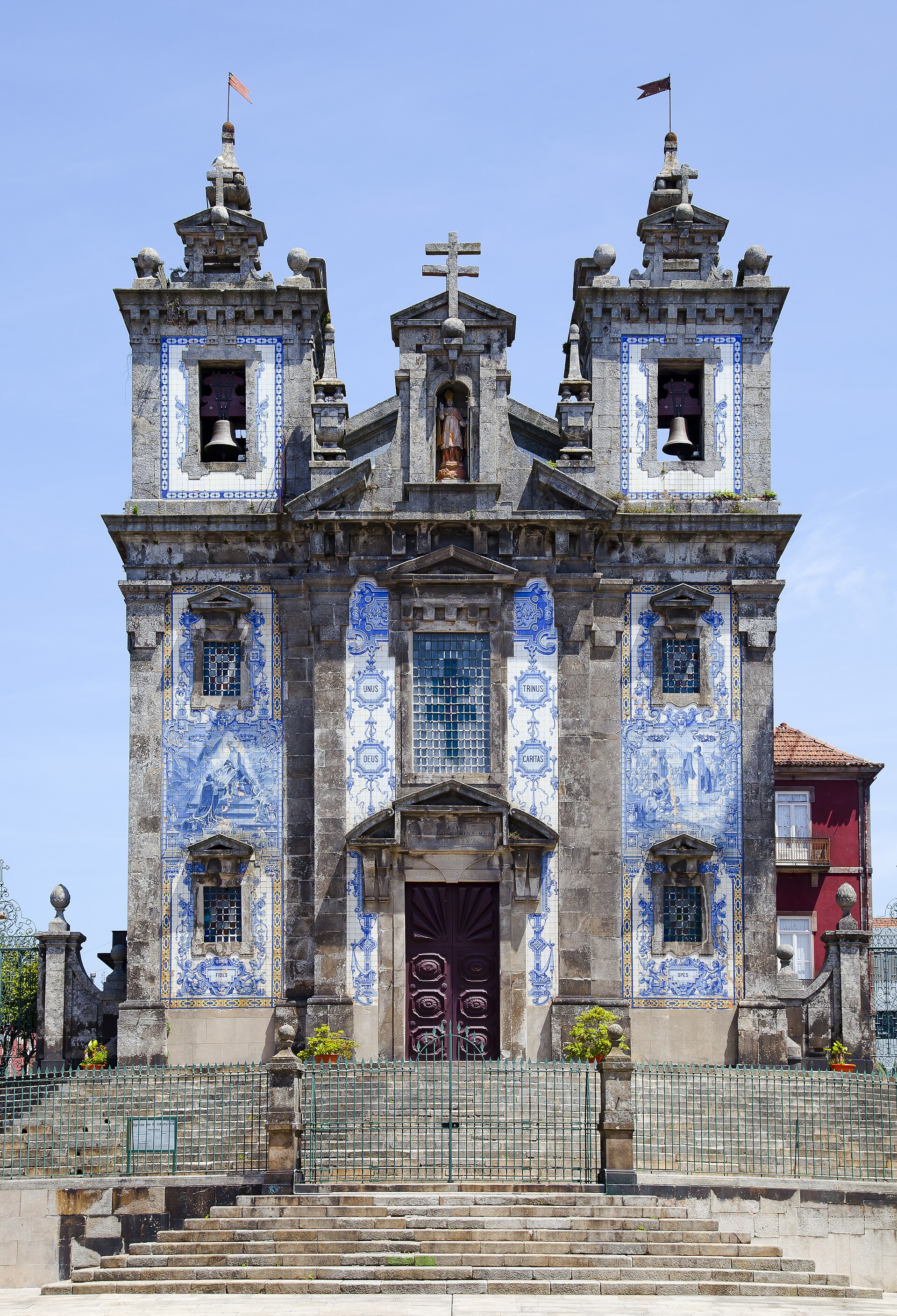
The area around Porto has been inhabited since ancient times, with Celtic and later Roman settlements here well before the city's medieval growth began in earnest. Porto flourished during the same Age of Discovery period that transformed Lisbon, and it played its own important role, since it was in Porto's shipyards that some of the vessels used in early Portuguese voyages were built. The city's old center, known as Ribeira, developed along the riverbank as a hub of trade and shipping, and its winding medieval streets remain largely intact today, which helped earn the historic center a place on the UNESCO World Heritage list in 1996.
A fact that surprises many first-time visitors is that port wine is not actually made in Porto itself, but rather in the Douro Valley further upriver; it is only aged and stored in the cellars of Vila Nova de Gaia, the town directly across the river from Porto's historic center, where the wine houses have operated for centuries thanks to a special microclimate suited to aging. Another interesting detail is that Porto's Livraria Lello, a stunning Art Nouveau bookshop from 1906, is often cited as one of the inspirations for the look of bookshops in the Harry Potter films, and it now draws long queues of visitors as a result.
Don't miss these
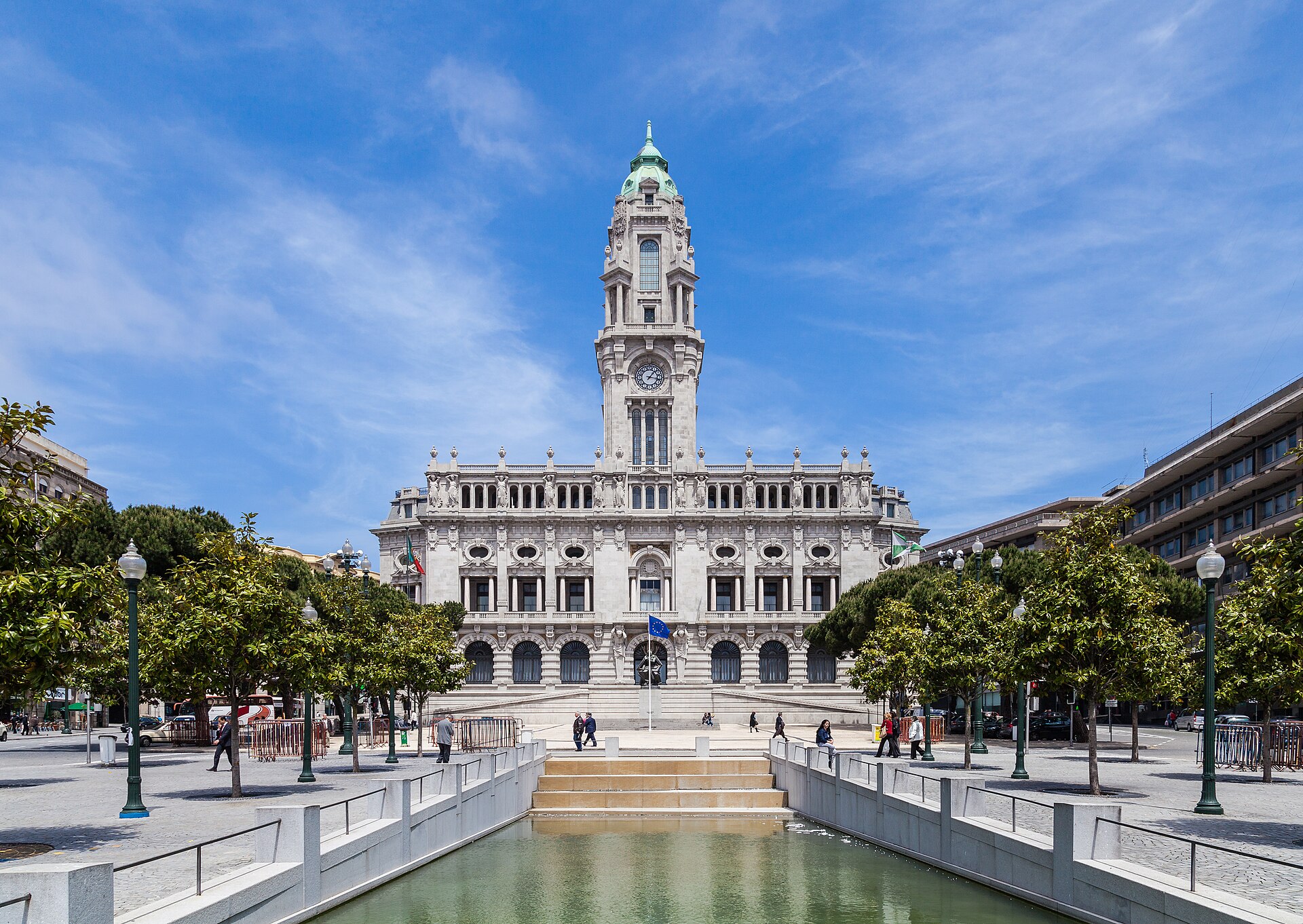
The Ribeira district is the natural heart of any visit, a UNESCO-listed tangle of narrow streets, colorful buildings, and small squares that lead down to the riverfront, where cafes and restaurants line the water's edge looking across at the port wine cellars of Vila Nova de Gaia. The Dom Luís I Bridge, a striking double-decker iron bridge completed in 1886, connects the two sides of the river and offers excellent views from its upper deck, which is open to pedestrians and also carries the city's metro line.
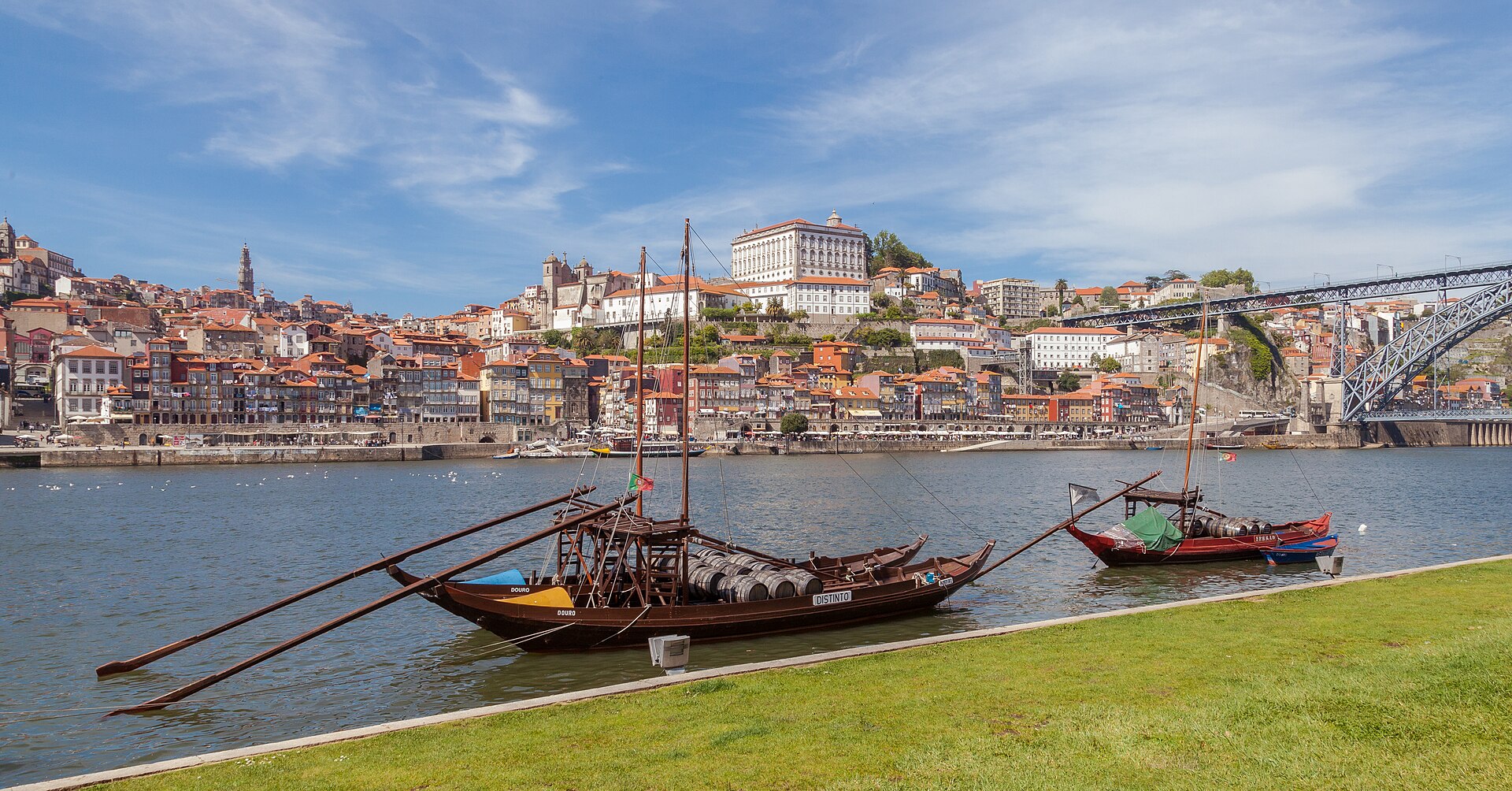
Across the river, a visit to one of the historic port wine cellars is close to essential, with most offering tours that explain how the wine is made and aged, followed by a tasting. Back on the Porto side, São Bento train station is worth a stop even if you are not catching a train, since its main hall is covered in around 20,000 hand-painted blue and white tiles, called azulejos, depicting scenes from Portuguese history. The Porto Cathedral, dating originally from the 12th century, sits on high ground above Ribeira and offers another good vantage point over the rooftops.
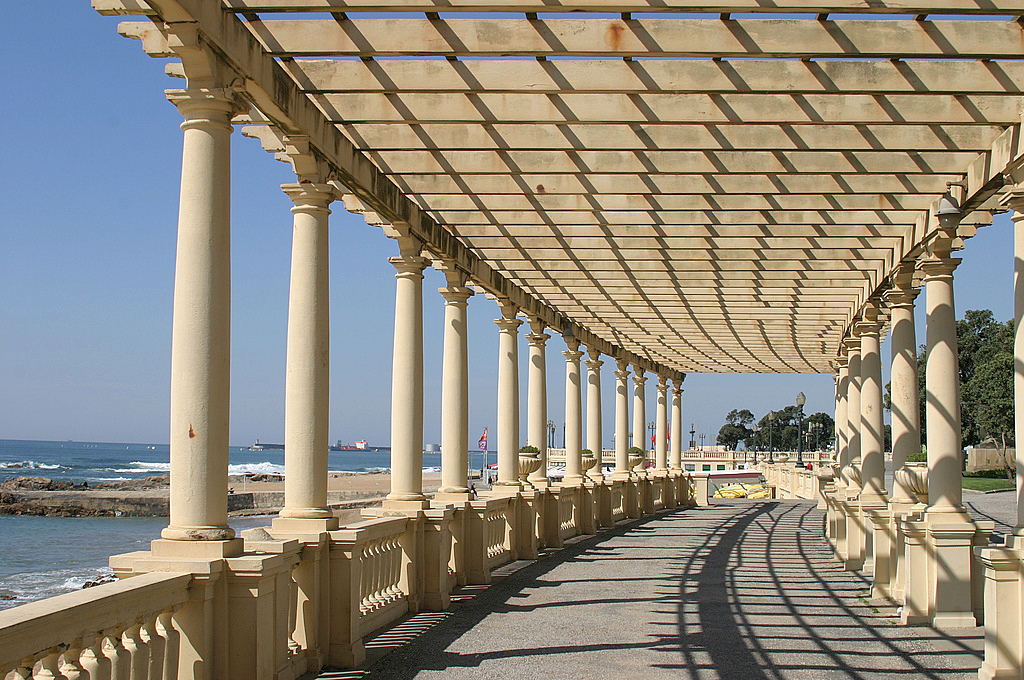
For a longer excursion, boat trips along the Douro River are a popular way to see the terraced vineyards that produce the grapes for port wine, with some trips heading further upriver into the Douro Valley itself for a full day among the hillside vineyards. Closer to the city, the Foz district, where the river meets the Atlantic, offers a pleasant seaside walk and a different, breezier atmosphere from the historic center.
Eat like a local
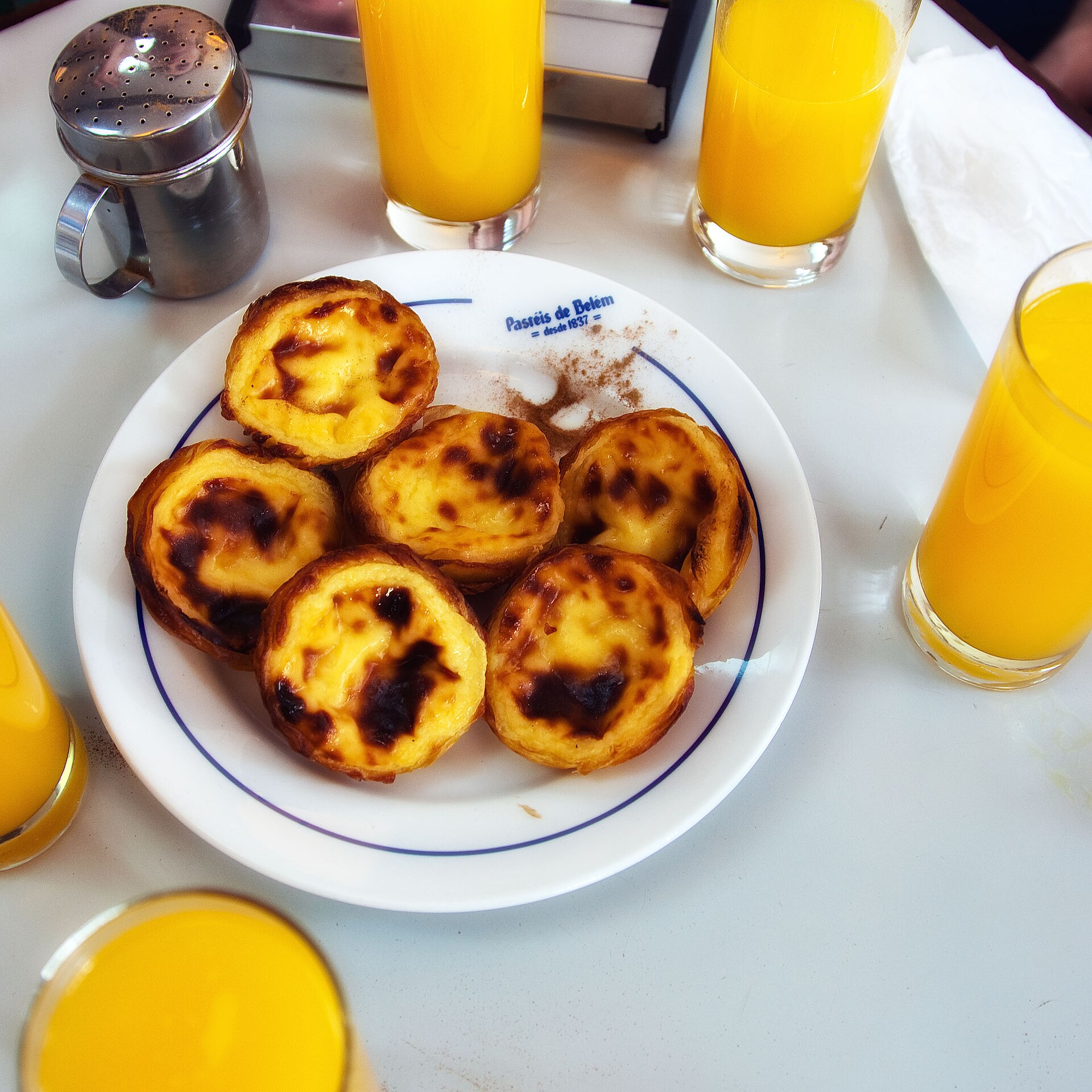
Porto's food reflects its working-class, riverside roots, and the francesinha, a hearty sandwich smothered in melted cheese and a rich tomato and beer sauce, is the city's signature dish, not for the faint of appetite. As in Lisbon, fresh seafood and the ever-present bacalhau are easy to find, and pairing a meal with a glass of the region's famous wine feels almost obligatory given where you are.
Traveler's cheat sheet
Porto's historic center is hilly but compact, and most major sights are within comfortable walking distance of each other, with the metro and funicular available for anyone who would rather skip the steepest climbs. Crossing to Vila Nova de Gaia is easy on foot via the upper deck of the Dom Luís I Bridge.
Spring and autumn offer pleasant, mild weather that suits walking around the city and the riverfront, while summer brings warmer temperatures that are still generally more comfortable than the peak heat further south in Spain or Andalusia. Winters are mild but noticeably rainier, given the city's northern Atlantic-facing location.
Further up the Douro River, the town of Peso da Régua sits at the heart of the wine-producing valley and makes a good base for a longer day trip, whether by train, car, or one of the scenic river cruises that depart from Porto. Closer to the city, the seaside town of Foz do Douro, right where the river meets the Atlantic, offers a pleasant coastal walk and a slightly different pace, especially popular with locals on weekends.
Like the rest of Portugal, Porto uses the euro, and tipping norms are similarly modest, with rounding up or adding a small amount for good service being more than enough in most restaurants. Portuguese is the local language, and while it shares some similarities with Spanish, the pronunciation is quite different, so do not be surprised if your high school Spanish does not get you very far here.
Porto tends to feel less crowded than Lisbon, even in peak season, which makes it an appealing option for travelers looking for a similar mix of history, river views, and good food, but at a slightly slower and more local pace. Between the wine cellars, the tiled train station, and the winding riverside streets, it rarely takes long to understand why the city has such a loyal following among people who have visited.