San Francisco
Steep hills, fog, and a bridge that turned into a symbol.
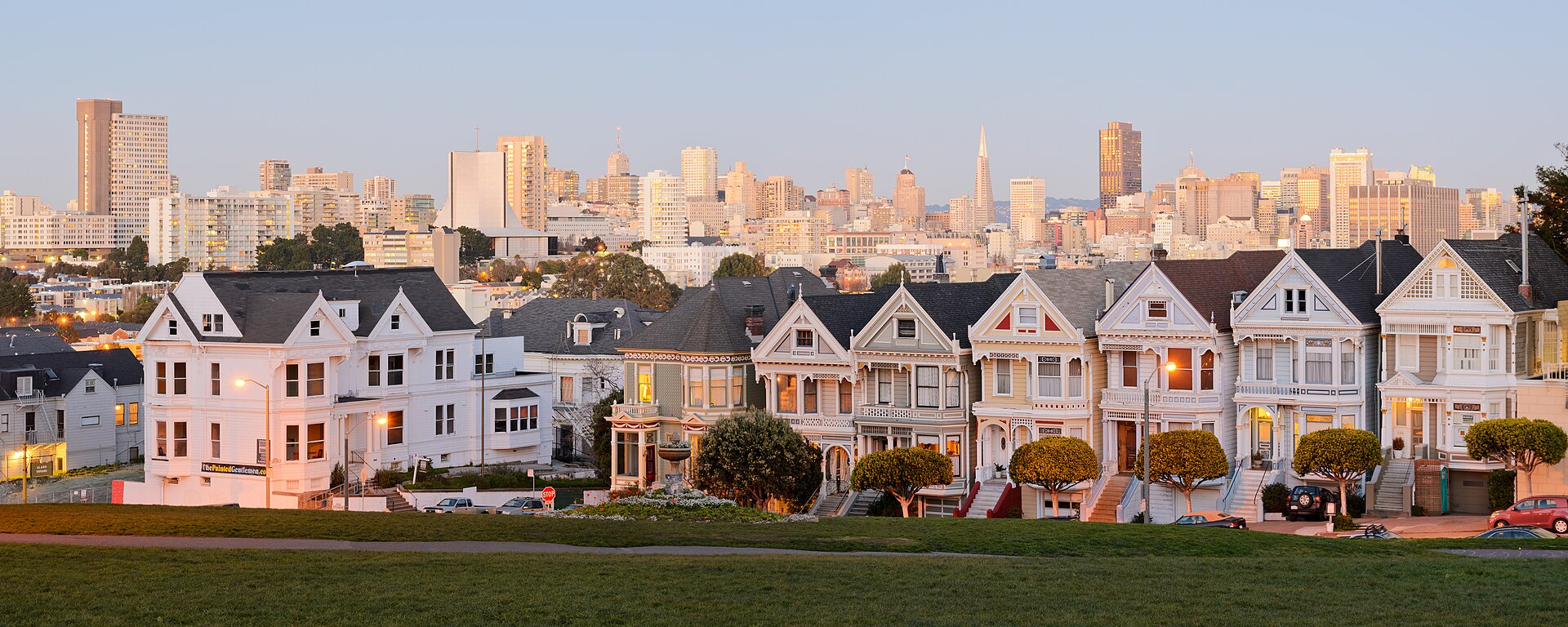
San Francisco sits on the tip of a peninsula in Northern California, surrounded on three sides by water, which is a big part of why it looks and feels so different from other American cities. Its hills are famously steep, its weather is famously foggy even in summer, and its neighborhoods are famously varied, changing character every few blocks. Despite being a fairly small city in terms of land area, it has an outsized reputation, shaped by its role in the Gold Rush, the tech industry, and decades as a center for counterculture and new ideas.
A bit of backstory
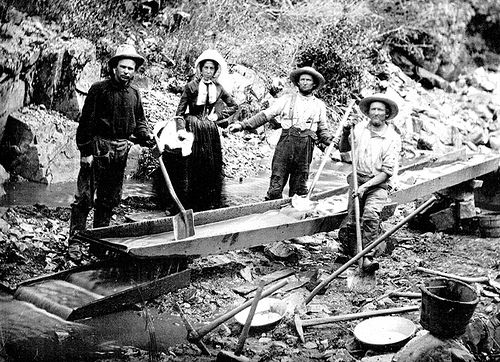
The city's modern history really begins with the Gold Rush of 1849. Before that, San Francisco was a small settlement of a few hundred people, but the discovery of gold in nearby rivers brought a flood of fortune seekers from around the world, and the population exploded to tens of thousands within just a couple of years. The city grew quickly and messily, and in 1906 it was struck by a massive earthquake and fire that destroyed much of what had been built, killing thousands of people and leaving hundreds of thousands homeless. San Francisco rebuilt itself in the years that followed, and much of what visitors see today dates from that rebuilding period.
One fact that surprises a lot of people is that the Golden Gate Bridge is not actually golden, it is painted a color called International Orange, chosen partly because it stands out well against the fog and the blue of the bay and sky. When it opened in 1937, it was the longest suspension bridge in the world, a title it held for nearly 30 years. Another interesting detail is that Alcatraz Island, the former federal prison in the middle of the bay, is said to have never had a confirmed successful escape, despite at least one famous attempt in 1962 whose outcome is still debated today.
Don't miss these
The Golden Gate Bridge is naturally at the top of most visitors' lists, and it can be appreciated in several ways: driving or biking across it, walking partway out for a closer look, or simply admiring it from a distance at spots like Baker Beach or the Marin Headlands across the bay, both of which offer excellent photo opportunities on a clear day. Fisherman's Wharf and Pier 39 nearby are touristy but still worth a visit, especially for the resident sea lions that have taken over one of the docks since the early 1990s.
Alcatraz is one of the most popular tours in the city, and tickets often sell out days or even weeks in advance, so it is worth booking ahead. The audio tour, narrated partly by former guards and inmates, gives a genuinely gripping look at what life was like on the island. Back on the mainland, cable cars are still running on a few historic lines, and while they move slowly, riding one up and down San Francisco's steep hills is a classic experience that has barely changed since the 1870s.
The city's neighborhoods each deserve some exploring. Chinatown is one of the oldest and largest in North America, dating back to the 1840s. The Mission District offers colorful murals, excellent taquerias, and a lively atmosphere, while Haight-Ashbury still carries traces of its history as the center of the 1960s counterculture movement. Golden Gate Park, larger than New York's Central Park, has gardens, museums, and even a herd of bison that has lived there since 1891.
Eat like a local
Food in San Francisco is shaped heavily by its port city history and its Chinese, Italian, and Mexican communities. Sourdough bread has been a local specialty since the Gold Rush era, when a particular wild yeast in the local air gave the bread its distinctive tang. Fresh seafood, particularly Dungeness crab, is another local favorite, especially in the colder months when it is in season.
Traveler's cheat sheet
San Francisco's compact size makes it fairly walkable, though the hills can be tiring, and the Muni public transit system, including buses, streetcars, and the historic cable cars, covers most of the city well. Many visitors also use rideshares or the BART train system to reach the airport or destinations across the bay, such as Berkeley or Oakland.
As mentioned, summer is often cooler and foggier than visitors expect, particularly near the coast and around the Golden Gate Bridge, so September and October, sometimes called the city's real summer, tend to offer the warmest and clearest weather of the year, making them a great time to plan a visit.
Just across the Golden Gate Bridge, the small towns of Sausalito and Tiburon make for a pleasant half-day trip, reachable by ferry directly from the Embarcadero, and both offer relaxed waterfront views back toward the city skyline. Further afield, Muir Woods, a redwood forest just north of the city, is worth the drive for anyone wanting to see some of California's famously tall trees up close, some of which are well over a thousand years old.
The US dollar is used throughout the city, and tipping around 18 to 20 percent at restaurants is standard practice, similar to the rest of the country. San Francisco is a fairly compact city by American standards, and combined with a decent public transit network, it is one of the easier US cities on this list to explore without a car.
San Francisco's weather can catch visitors off guard, since summer days are often cool and foggy rather than warm and sunny, so packing layers is a good idea no matter what time of year you visit. It is a city best explored slowly, on foot where the hills allow, since so much of its charm is in the small details tucked into each neighborhood rather than any single must-see attraction.